The shelter was louder than usual that winter morning. Dogs barked behind metal cages, cats cried softly from cardboard carriers, and exhausted volunteers moved from one kennel to another trying to comfort frightened animals. But what hurt the workers the most was not the noise — it was the stories behind every new arrival.
Inflation had changed everything.
Food prices had doubled for many families. Rent was becoming impossible to pay. Utility bills kept rising, and jobs no longer covered even the basic needs of a household. Families who once proudly cared for their pets were now standing at shelter doors with tears in their eyes, holding leashes they never wanted to let go of.
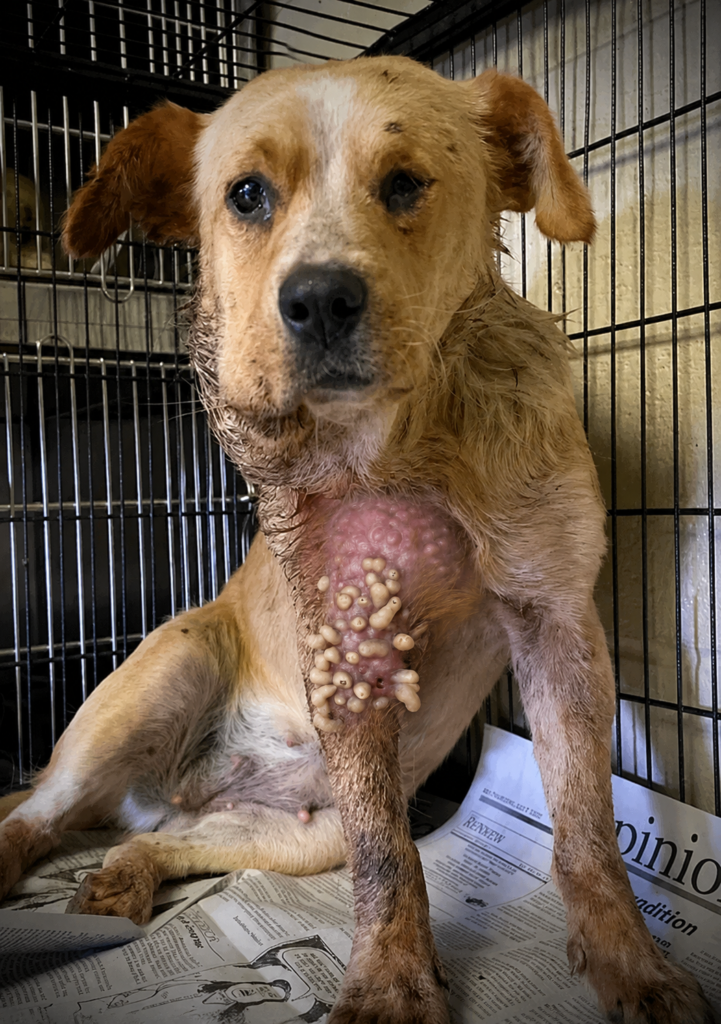
One woman named Sarah walked into the shelter carrying a small brown dog wrapped in an old blanket. The dog’s name was Max. He was seven years old and had been part of her family since he was a puppy. Max had grown up with her children, slept beside them during thunderstorms, and waited by the front door every evening when Sarah returned from work.
But Sarah had recently lost one of her jobs. Her landlord increased the rent, and grocery prices became unbearable. Max suddenly needed medical treatment for a skin condition, and the veterinary bill was far beyond what she could afford.
She sat quietly in the shelter office while Max rested his head on her lap, completely unaware that his life was about to change forever.
“I tried everything,” she whispered, her voice shaking. “I skipped meals. I sold my furniture. But I can’t keep up anymore.”
The shelter staff heard these words almost every day.
Inflation was not only hurting people — it was breaking apart families and leaving innocent animals confused and abandoned. Shelters across the country became overcrowded. Kennels that once held one dog now held two or three. Volunteers worked extra hours, but there were simply too many animals arriving every week.
Some pets came with toys and handwritten notes explaining their favorite foods or habits. Others arrived sick, malnourished, or frightened because their owners could no longer afford treatment or proper care.
One volunteer named Daniel said the hardest part was watching owners cry as they walked away.
“They don’t want to abandon their pets,” he explained. “Most of them love these animals deeply. They’re just out of options.”
The emotional toll affected everyone — the families, the shelter workers, and especially the animals themselves. Many dogs waited by kennel doors for days, expecting their owners to return. Some stopped eating because they missed the only family they had ever known.
Still, amid the sadness, there were moments of hope.
Communities slowly began organizing donation drives for pet food and medical care. Rescue groups stepped in to foster animals temporarily until families recovered financially. Some veterinarians offered discounted treatments for struggling pet owners.
Sarah visited Max every weekend after surrendering him. She promised him she would return when life became stable again. Months later, after finding steady work and moving into a cheaper apartment, she finally came back to take him home.
The moment Max recognized her, his tail wagged wildly as he jumped into her arms.
For shelter workers, moments like that reminded them why they continued despite the heartbreak.
Inflation may raise prices and create financial hardship, but it also reveals something powerful — the deep bond between humans and animals. Even during the hardest times, love for a pet does not disappear. Sometimes, people are simply forced to make impossible choices in order to survive.
