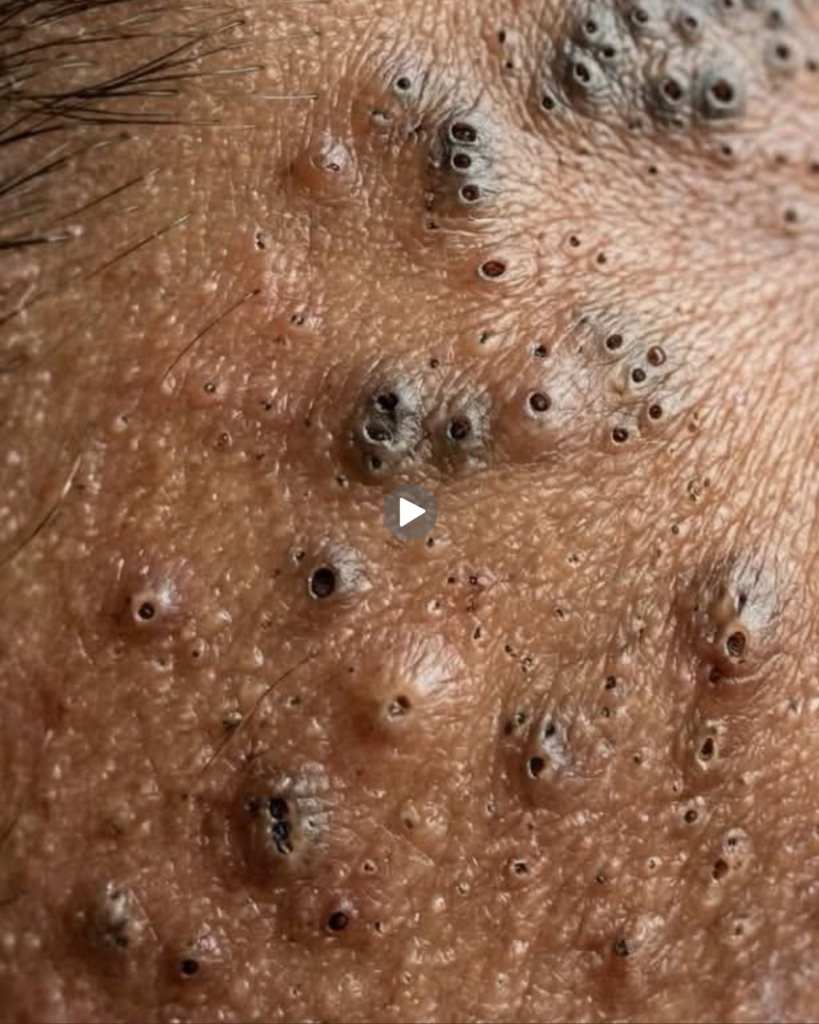
Chin acne is one of the most common types of facial acne and can affect teenagers and adults alike. While a few pimples on the chin may seem harmless, recurring breakouts often signal that something deeper is happening beneath the skin. Hormonal changes, excess oil production, stress, diet, and poor skincare habits can all contribute to acne in this area.
Many people believe that chin acne always indicates a hormonal problem. While hormones are indeed a major factor, they are not the only cause. Understanding why chin acne develops can help you choose the right treatment and prevent future breakouts.
In this article, you’ll learn what chin acne may say about your skin, its causes, symptoms, treatment options, prevention strategies, and when it’s time to seek professional medical advice.
What Is Chin Acne?
Chin acne refers to pimples, blackheads, whiteheads, cysts, or inflamed bumps that develop on or around the chin. These breakouts occur when pores become clogged with excess oil (sebum), dead skin cells, bacteria, and dirt.
Chin acne can range from mild to severe:
- Whiteheads
- Blackheads
- Papules
- Pustules
- Nodules
- Painful cystic acne
Because the chin contains many oil glands, it is particularly prone to acne.
What Does Chin Acne Say About Your Skin?
Your skin doesn’t literally “communicate” through acne, but recurring chin breakouts can provide clues about what may be affecting your body or skincare routine.
Possible underlying factors include:
- Hormonal fluctuations
- Excessive oil production
- Skin irritation
- Stress
- Diet
- Poor hygiene habits
- Cosmetic products
- Friction from masks or helmets
Rather than relying on acne face mapping alone, it’s better to evaluate your overall health and skincare routine.
Common Causes of Chin Acne
1. Hormonal Changes
Hormonal fluctuations are among the leading causes of chin acne.
Hormones called androgens stimulate oil glands, leading to excess sebum production that clogs pores.
Hormonal acne is especially common during:
- Puberty
- Menstrual cycles
- Pregnancy
- Menopause
- Polycystic Ovary Syndrome (PCOS)
2. Excess Oil Production
People with oily skin naturally produce more sebum.
When excess oil mixes with dead skin cells, pores become blocked, creating an ideal environment for acne-causing bacteria.
3. Stress
Stress doesn’t directly cause acne, but it can make existing acne worse.
Stress hormones increase inflammation and oil production, resulting in more frequent breakouts.
4. Poor Skincare Routine
Using harsh cleansers, skipping face washing, or sleeping with makeup can clog pores.
Likewise, over-washing may damage the skin barrier, causing irritation.
5. Diet
Although research is still evolving, some people notice worse acne after consuming:
- Sugary foods
- White bread
- Soft drinks
- Processed snacks
- High-glycemic foods
Some individuals may also experience flare-ups after consuming large amounts of dairy products.
6. Touching Your Face
Frequently resting your chin on your hands transfers bacteria, dirt, and oil onto the skin.
This can increase the likelihood of clogged pores.
7. Dirty Pillowcases
Pillowcases collect:
- Sweat
- Oil
- Bacteria
- Dead skin cells
Changing pillowcases regularly may reduce acne-causing bacteria.
8. Cosmetic Products
Heavy makeup and oily skincare products may clog pores.
Choose products labeled:
- Non-comedogenic
- Oil-free
- Fragrance-free (if you have sensitive skin)
Symptoms of Chin Acne
Signs may include:
- Small pimples
- Whiteheads
- Blackheads
- Red bumps
- Painful cysts
- Swelling
- Tenderness
- Dark marks after healing
- Acne scars
Types of Chin Acne
Whiteheads
Closed clogged pores appearing as tiny white bumps.
Blackheads
Open clogged pores that turn dark due to oxidation.
Papules
Small red, inflamed bumps without pus.
Pustules
Red pimples filled with white or yellow pus.
Nodules
Large, painful lumps beneath the skin.
Cystic Acne
Deep, swollen, painful lesions that often scar if untreated.
How to Treat Chin Acne
Wash Your Face Gently
Cleanse twice daily using a gentle cleanser.
Avoid scrubbing aggressively.
Use Salicylic Acid
Salicylic acid helps:
- Remove dead skin
- Unclog pores
- Reduce blackheads
- Prevent new pimples
Benzoyl Peroxide
This ingredient kills acne-causing bacteria and reduces inflammation.
Start with a lower concentration if you have sensitive skin.
Retinoids
Retinoids help:
- Prevent clogged pores
- Speed skin renewal
- Reduce acne scars
- Improve skin texture
Use them consistently for the best results.
Moisturize Daily
Even oily skin needs moisturizer.
Choose lightweight, oil-free products.
Wear Sunscreen
Sun exposure may worsen acne marks.
Use a broad-spectrum SPF 30 or higher every morning.
Natural Home Remedies
Some natural remedies may soothe mild acne.
Aloe Vera
May calm irritated skin.
Green Tea
Contains antioxidants that may reduce inflammation.
Honey
Has natural antibacterial properties.
Ice Compress
Can reduce swelling and redness temporarily.
Remember that natural remedies may not work for everyone and should not replace medical treatment for moderate or severe acne.
Lifestyle Tips to Prevent Chin Acne
Healthy habits can make a significant difference.
- Wash your face twice daily.
- Remove makeup before bed.
- Avoid touching your chin.
- Clean your phone regularly.
- Change pillowcases every few days.
- Drink enough water.
- Eat a balanced diet rich in fruits and vegetables.
- Get adequate sleep.
- Exercise regularly.
- Manage stress through relaxation techniques.
When to See a Dermatologist
Consult a healthcare professional if:
- Acne is painful.
- You develop cysts or nodules.
- Acne leaves scars.
- Over-the-counter treatments don’t help after 8–12 weeks.
- Acne affects your confidence or mental well-being.
- Breakouts become increasingly severe.
A dermatologist may recommend prescription creams, oral medications, hormonal therapy, or other advanced treatments depending on the severity.
Common Myths About Chin Acne
Myth 1: Dirty Skin Causes Acne
Truth: Acne is primarily caused by clogged pores, excess oil, bacteria, and inflammation—not simply by dirt.
Myth 2: Popping Pimples Helps
Truth: Popping pimples increases the risk of infection, scarring, and prolonged healing.
Myth 3: Toothpaste Clears Acne
Truth: Toothpaste can irritate the skin and is not a recommended acne treatment.
Myth 4: Only Teenagers Get Chin Acne
Truth: Adult acne, especially hormonal chin acne, is very common.
Frequently Asked Questions
Is chin acne always hormonal?
No. Hormones are a common cause, but stress, skincare products, friction, diet, and genetics can also contribute.
How long does chin acne last?
Mild acne may improve within a few weeks, while hormonal or cystic acne may require several months of consistent treatment.
Can drinking water cure acne?
Drinking enough water supports overall skin health, but it does not cure acne on its own.
Should I squeeze chin pimples?
No. Squeezing pimples increases the risk of infection and permanent scarring.
Conclusion
Chin acne is a common skin concern that can result from hormonal changes, excess oil, clogged pores, stress, diet, and everyday habits. Although recurring breakouts may suggest hormonal influences, they are not always a sign of an underlying medical condition. A gentle skincare routine, non-comedogenic products, healthy lifestyle choices, and evidence-based acne treatments can significantly improve your skin over time.
If your chin acne is persistent, painful, or causing scars, consult a qualified dermatologist for an accurate diagnosis and personalized treatment plan. With patience and consistent care, most people can successfully manage chin acne and achieve healthier, clearer skin.