How Long Do Dogs Live? Average Lifespan, Aging Signs, and Tips for a Longer Life
Key Takeaways
- Dogs live for approximately 11 years on average, although their lifespan varies by breed, size, genetics, and overall health.
- Small dogs generally live longer than large and giant breeds.
- Flat-faced breeds and dogs carrying excess weight may face a higher risk of certain health problems that can affect longevity.
- A balanced diet, regular exercise, preventive veterinary care, and a healthy weight can support a dog’s long-term well-being.
- Recognizing early signs of aging can help owners provide better care as their dogs grow older.
How Long Do Dogs Live on Average?
Dogs bring companionship, happiness, and unconditional love into our lives. Naturally, many owners want to know how long their furry friends are likely to live and what they can do to help them stay healthy for as many years as possible.
The average lifespan of a dog is around 11 years, but this figure does not apply to every breed. Some dogs may live well into their teens, while others develop health conditions that shorten their lives.
Several factors influence canine longevity, including breed, body size, genetics, nutrition, physical activity, and access to veterinary care. Smaller breeds generally have longer life expectancies than larger breeds. However, individual health and living conditions can make a considerable difference.
Understanding these factors can help dog owners make informed decisions about nutrition, exercise, preventive healthcare, and senior dog care.
Youtube Video
How to Calculate Dog Years in Human Years
Many people have heard the traditional rule that one dog year equals seven human years. Although this method is easy to remember, it does not accurately reflect how dogs develop and age.
Dogs mature much faster than humans during their first two years. After that, their aging rate varies according to their size and breed.
According to commonly used veterinary age-conversion guidelines, a dog’s first birthday roughly corresponds to 15 human years. By the time a dog reaches three years old, it may be comparable to a person in their late twenties or around 30 years old, depending on its size.
Dog Age Compared With Human Age
The following table provides approximate comparisons to help owners understand their dog’s life stage.
| Dog’s Age | Small Dogs (Under 20 lbs) | Medium Dogs (21–50 lbs) | Large Dogs (51–90 lbs) | Giant Dogs (Over 90 lbs) |
|---|---|---|---|---|
| 1 year | 15 | 15 | 15 | 15 |
| 3 years | 28 | 28 | 30 | 30 |
| 5 years | 36 | 37 | 40 | 42 |
| 7 years | 44 | 47 | 50 | 56 |
| 9 years | 52 | 56 | 61 | 71 |
| 11 years | 60 | 65 | 72 | 86 |
| 13 years | 68 | 74 | 82 | 101 |
| 15 years | 76 | 83 | 93 | 115 |
These figures are estimates rather than exact biological measurements. Different veterinary charts may use slightly different calculations, so your dog’s health and life stage are more useful than a single human-age equivalent.
Average Dog Lifespan by Size
A dog’s body size is one of the most important factors associated with life expectancy. Smaller breeds often live longer, while giant breeds tend to age more quickly and experience certain age-related conditions earlier.
Typical average lifespans by size include:
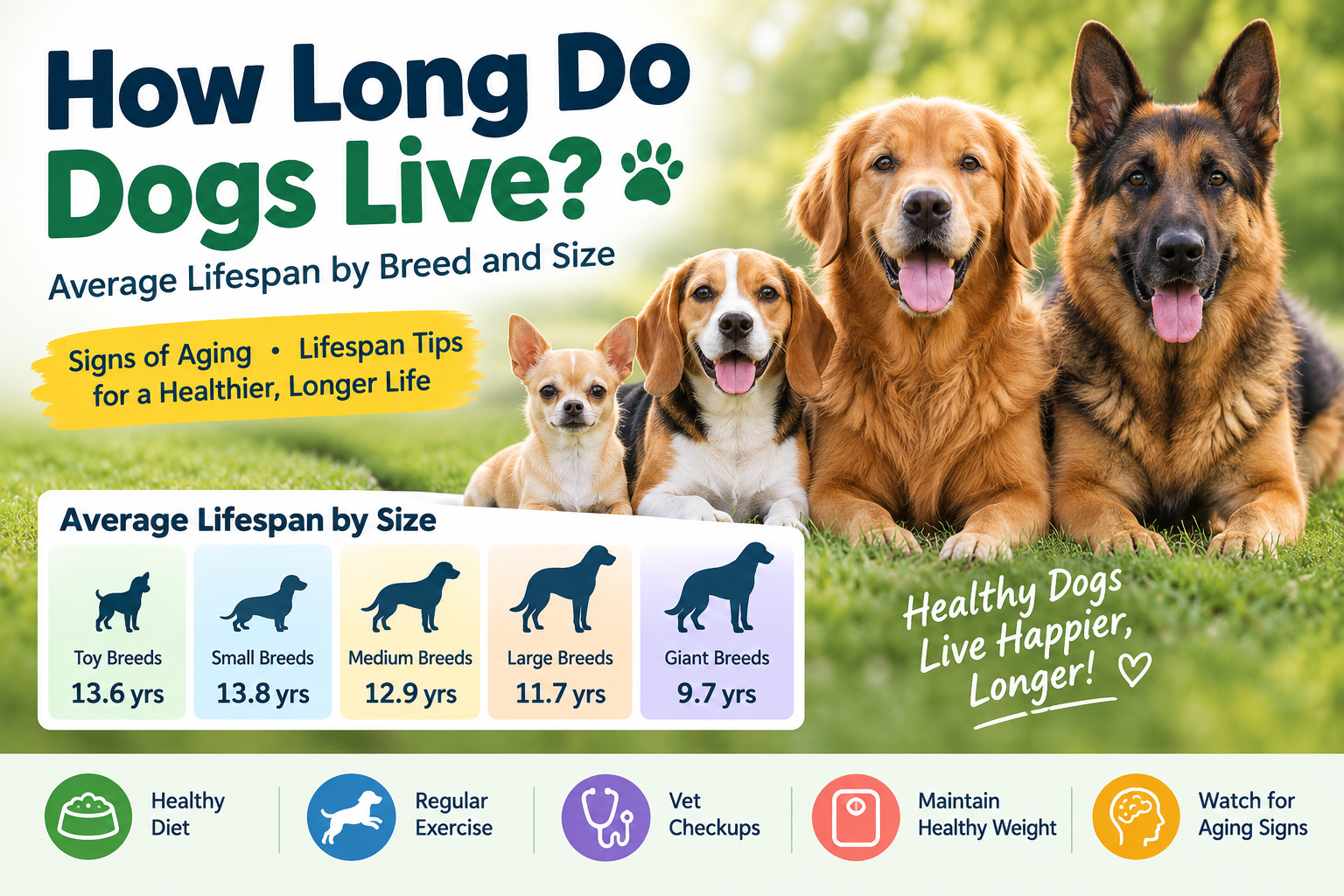
- Toy breeds: Approximately 13.6 years.
- Small breeds: Approximately 13.8 years.
- Medium breeds: Approximately 12.9 years.
- Large breeds: Approximately 11.7 years.
- Giant breeds: Approximately 9.7 years.
These averages are general estimates, not guarantees. Some large dogs live considerably longer than expected, while some small dogs develop serious health conditions at a relatively young age.
Which Dog Breeds Tend to Live the Longest?
Certain smaller breeds are known for their relatively long life expectancy. Jack Russell Terriers, for example, have been reported to live around 12.7 years on average in some population studies.
Other small breeds, including Chihuahuas, Dachshunds, and Toy Poodles, can also enjoy long lives with appropriate care.
French Bulldogs have shown much shorter average lifespans in some studies, with one large analysis reporting approximately 4.5 years. This figure comes from a particular study population and should not be treated as the expected lifespan of every French Bulldog.
Breed-related breathing difficulties and other inherited health problems may contribute to differences in longevity.
What Factors Affect a Dog’s Lifespan?
Several biological and environmental factors influence how long a dog may live. Understanding these influences can help owners recognize risks and provide suitable care.
1. Breed and Body Size
Breed genetics can affect a dog’s susceptibility to particular diseases. Some breeds have a greater likelihood of developing heart problems, joint disorders, certain cancers, or inherited conditions.
Body size also matters. Large and giant breeds often have shorter average lifespans than smaller dogs. They may develop joint problems and other age-related conditions earlier in life.
Responsible breeding, appropriate nutrition, and routine veterinary examinations can help identify and manage certain health risks.
2. Physical Characteristics
A dog’s physical structure can influence its health and comfort throughout life.
Flat-faced, or brachycephalic, breeds such as French Bulldogs, English Bulldogs, and Pugs may experience breathing difficulties because of their shortened facial structure. Some also face an increased risk of eye problems, overheating, and other complications.
These risks do not mean every flat-faced dog will develop severe disease. However, owners should be aware of warning signs such as noisy breathing, excessive panting, exercise intolerance, or difficulty breathing.
Dogs with these symptoms should receive veterinary attention, particularly if breathing problems develop suddenly or become severe.
3. Gender and Reproductive Health
Sex may be associated with small differences in average canine lifespan, but the relationship varies across studies and populations.
Some research has found that female dogs live slightly longer than males on average. The difference is not universal and may depend on breed, reproductive status, genetics, and other factors.
Spaying or neutering can affect the risk of certain reproductive diseases. However, the ideal timing depends on the dog’s breed, size, age, and individual health. Discuss the benefits and potential risks with a veterinarian before making this decision.
4. Chronic Health Conditions
Long-term illnesses can influence both life expectancy and quality of life. Conditions such as cancer, heart disease, diabetes, kidney disease, and hormonal disorders may require ongoing monitoring and treatment.
The effect depends on the condition, how early it is diagnosed, and how well it responds to treatment.
Regular veterinary examinations can help identify health changes before they become more difficult to manage. Owners should report persistent changes in appetite, thirst, urination, breathing, energy, or body weight.
5. Weight and Nutrition
Maintaining a healthy body weight is an important part of keeping a dog healthy. Excess body fat can place additional pressure on the joints and increase the risk of several medical problems.
Overweight dogs may have greater difficulty exercising and may be more vulnerable to mobility problems. A balanced diet and appropriate portion sizes can help reduce these risks.
Choose a complete and balanced dog food suitable for your pet’s age, size, activity level, and medical needs. Treats should be offered in moderation, and significant dietary changes should be discussed with a veterinarian when necessary.
6. Exercise and Daily Lifestyle
Physical activity helps dogs maintain muscle strength, mobility, and a healthy weight. It also provides mental stimulation and opportunities to explore their surroundings.
The right amount of exercise depends on breed, age, fitness, and medical conditions. Some dogs enjoy long walks and active games, while others need shorter, gentler activities.
Avoid forcing puppies, senior dogs, or dogs with breathing and joint problems into strenuous exercise. Consistent, suitable activity is generally more beneficial than occasional intense workouts.
Common Signs of Aging in Dogs
As dogs grow older, owners may notice gradual changes in their appearance, movement, sleeping habits, and behavior. These changes can be part of normal aging, but they may also indicate a medical problem.
Common signs include:
A Graying Coat
Gray or white hairs may appear around the muzzle, eyebrows, and face. This is a common visible sign of aging, although genetics and individual differences also influence when it occurs.
Slower Walking and Reduced Activity
Older dogs may walk more slowly, rest more often, or show less interest in energetic games. Arthritis, muscle loss, and other medical conditions can contribute to these changes.
If your dog struggles to stand, avoids stairs, or appears painful when moving, arrange a veterinary examination rather than assuming the behavior is simply old age.
Changes in Vision and Hearing
Some senior dogs develop reduced vision or hearing. They may hesitate in unfamiliar places, startle more easily, or have difficulty responding to commands.
Keep their surroundings predictable and avoid moving essential items unnecessarily. A veterinarian can assess whether the changes are related to aging or a treatable condition.
Increased Thirst or Urination
Drinking more water or urinating more frequently can sometimes indicate kidney disease, diabetes, hormonal problems, or urinary tract conditions.
These changes should not automatically be attributed to aging. Contact your veterinarian if they persist or appear suddenly.
Changes in Memory or Behavior
Some older dogs develop canine cognitive dysfunction, a condition that can affect memory, sleep, awareness, and behavior.
Possible signs include confusion, pacing at night, getting stuck in familiar spaces, or changes in social interaction. Similar symptoms can occur with other illnesses, so veterinary assessment is important.
Other Age-Related Health Concerns
Senior dogs may also develop heart disease, liver problems, dental disease, urinary disorders, or other chronic conditions.
Early diagnosis and an appropriate treatment plan can help maintain comfort and daily functioning.
How to Help Your Dog Live a Longer, Healthier Life
Although no routine can guarantee a longer lifespan, practical steps can support your dog’s health and improve its quality of life.
1. Schedule Regular Veterinary Checkups
Preventive veterinary care is one of the most useful ways to monitor a dog’s health over time.
Healthy adult dogs generally need routine examinations at intervals recommended by their veterinarian. Senior dogs or pets with chronic conditions may benefit from more frequent visits, often every six months.
During these appointments, the veterinarian may assess weight, teeth, mobility, heart and lung function, vaccination needs, and parasite prevention. Blood tests or other investigations may be recommended according to age and medical history.
2. Feed a Balanced and Appropriate Diet
Choose a nutritionally complete dog food designed for your dog’s life stage and individual needs.
Puppies need food that supports growth, while adult dogs require nutrition that helps maintain body condition. Senior dogs may need adjustments based on activity, dental health, or specific medical concerns.
Measure meals instead of estimating portions, and monitor weight regularly. Consult your veterinarian before using supplements or switching to a therapeutic diet.
3. Keep Your Dog at a Healthy Weight
Check your dog’s body condition rather than relying only on the number displayed on a scale.
You should generally be able to feel the ribs without pressing excessively, and your dog should have a visible waist when viewed from above. The ideal body shape varies by breed.
If your dog is overweight, ask your veterinarian to recommend a safe weight-management plan. Gradual changes to food portions and exercise are usually preferable to rapid weight loss.
4. Provide Consistent Exercise
Daily walks, supervised play, and age-appropriate activities help maintain fitness and mental well-being.
For energetic dogs, interactive games and training sessions can provide additional stimulation. Senior pets may benefit from shorter walks, comfortable resting areas, and gentle movement throughout the day.
Watch for limping, unusual fatigue, excessive panting, or reluctance to continue. Adjust activity according to your dog’s response.
5. Protect Dental Health
Dental disease can cause pain, inflammation, and difficulty eating. Regular dental assessments help identify problems before they become more advanced.
Brush your dog’s teeth with a dog-specific toothbrush and toothpaste when possible. Veterinary-approved dental products may also help, but they do not replace professional treatment when disease is present.
Never use human toothpaste for dogs, as some ingredients can be harmful if swallowed.
6. Make the Home Safer for Senior Dogs
As mobility or vision changes develop, small adjustments can make daily life easier.
Consider adding nonslip rugs to slippery floors, providing a supportive bed, using ramps where appropriate, and keeping food and water easy to reach.
Block access to dangerous stairs when necessary and maintain a comfortable temperature, particularly for dogs with breathing difficulties or reduced mobility.
7. Keep Your Dog Mentally Active
Mental stimulation supports engagement and can help older dogs maintain their daily routines.
Offer gentle play, scent-based games, reward-based training, and opportunities to explore safe environments. Short, enjoyable sessions are often more suitable than demanding activities for senior pets.
Maintain regular feeding, walking, and sleeping schedules to provide familiarity and reassurance.
8. Stay Up to Date on Preventive Care
Vaccinations, parasite prevention, and routine health screenings help protect dogs from preventable diseases and identify emerging problems.
Your veterinarian can recommend an appropriate schedule based on your dog’s age, lifestyle, local disease risks, and medical history.
Seek prompt veterinary advice for sudden breathing difficulties, collapse, severe pain, repeated vomiting, or other serious symptoms.
When Should a Dog Be Considered a Senior?
There is no single age at which every dog becomes a senior. Smaller breeds often reach their senior years later than large and giant breeds.
A large dog may show age-related changes at an earlier age than a small dog of the same age. Your veterinarian can help determine when to increase health monitoring based on breed, weight, and individual needs.
Senior status does not mean a dog can no longer enjoy life. With suitable care, many older dogs remain affectionate, playful, and engaged in family activities.
Frequently Asked Questions
Do dogs really age seven years for every human year?
No. The seven-year rule is an oversimplification. Dogs mature rapidly during their early years, and their aging rates vary with body size and breed.
What is the average lifespan of a dog?
Some large studies have reported an average lifespan of approximately 11 years. Actual life expectancy varies considerably among breeds and individual dogs.
Do small dogs live longer than large dogs?
Generally, yes. Small breeds tend to have longer average lifespans than large and giant breeds, although individual health and genetics also matter.
Can a healthy diet help a dog live longer?
A balanced diet can support healthy body weight, normal bodily functions, and overall well-being. Avoiding excess weight may also reduce the risk of weight-related health problems. Diet alone cannot guarantee a particular lifespan.
How often should senior dogs visit the veterinarian?
Many senior dogs benefit from checkups approximately every six months, although the appropriate schedule depends on their health and medical history. Dogs with chronic illnesses may need more frequent monitoring.
What are the first signs that a dog is getting old?
Common changes include gray hair around the muzzle, slower movement, increased sleeping, reduced stamina, and changes in hearing or vision. Sudden or persistent changes should be assessed by a veterinarian.
Can exercise extend a dog’s life?
Regular, appropriate exercise supports fitness, mobility, and healthy weight management. It cannot guarantee a longer life, but it can contribute to better overall health and quality of life.
Final Thoughts
A dog’s lifespan depends on a combination of breed, body size, genetics, nutrition, lifestyle, and access to veterinary care. While owners cannot control every factor, they can make daily choices that support their pets’ long-term health.
Provide balanced meals, maintain a healthy weight, encourage suitable exercise, protect dental health, and schedule regular veterinary checkups. Pay attention to changes in behavior or physical condition, especially as your dog grows older.
Most importantly, focus on both lifespan and quality of life. A comfortable home, positive interactions, preventive healthcare, and individualized attention can help your dog enjoy its years with greater comfort and well-being.