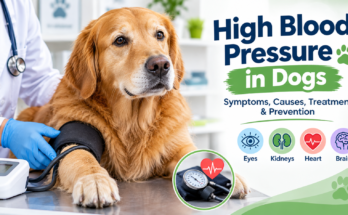
A strong immune system is one of the most important factors in keeping your dog healthy, active, and protected against illnesses. Just like humans, dogs rely on their immune system to fight bacteria, viruses, parasites, and other harmful invaders. When your dog’s immune system is functioning properly, it helps prevent infections, speeds up recovery, and supports overall well-being.
Many pet owners wonder how they can naturally strengthen their dog’s immunity without relying solely on medications. The good news is that everyday habits—such as providing balanced nutrition, regular exercise, quality sleep, and routine veterinary care—can significantly improve your dog’s immune health.
In this guide, you’ll learn the best ways to boost your dog’s immune system naturally and help your furry companion enjoy a healthier, longer life.
Why Is Your Dog’s Immune System Important?
The immune system is your dog’s natural defense against disease. It consists of white blood cells, antibodies, lymph nodes, the spleen, bone marrow, and other organs that work together to identify and destroy harmful germs.
A healthy immune system helps your dog:
- Fight infections
- Heal wounds faster
- Recover more quickly from illness
- Reduce the risk of chronic diseases
- Maintain healthy skin and coat
- Stay energetic and active
When immunity is weakened, dogs become more susceptible to infections, digestive problems, allergies, and other health issues.
Signs Your Dog May Have a Weak Immune System
Although only a veterinarian can diagnose immune-related conditions, some warning signs include:
- Frequent infections
- Low energy levels
- Slow wound healing
- Skin irritation
- Recurrent ear infections
- Digestive upset
- Poor appetite
- Dull or thinning coat
- Frequent diarrhea
If these symptoms persist, schedule a veterinary examination.
1. Feed a High-Quality, Balanced Diet
Nutrition is the foundation of a healthy immune system.
Choose dog food that contains:
- High-quality animal protein
- Healthy fats
- Whole grains or digestible carbohydrates
- Essential vitamins
- Important minerals
Protein supports tissue repair and antibody production, while vitamins and minerals help immune cells function properly.
Avoid foods that contain excessive artificial colors, flavors, and unnecessary fillers.
2. Provide Fresh Water Every Day
Hydration plays a key role in immune health.
Water helps:
- Transport nutrients
- Regulate body temperature
- Remove waste products
- Support organ function
- Maintain healthy digestion
Always provide clean, fresh drinking water, especially during warm weather or after exercise.
3. Include Immune-Boosting Nutrients
Certain nutrients are especially important for maintaining a healthy immune system.
Vitamin C
Supports antioxidant protection and helps reduce cellular damage.
Vitamin E
Protects immune cells from oxidative stress.
Vitamin A
Supports healthy skin, eyes, and immune function.
Zinc
Helps wounds heal and supports immune cell development.
Selenium
Acts as an antioxidant that protects healthy cells.
Always consult your veterinarian before giving vitamin supplements.
4. Support Gut Health
A large portion of your dog’s immune system is connected to the digestive tract.
Healthy digestion supports better nutrient absorption and stronger immune defenses.
You can help by offering:
- Probiotic supplements approved by your veterinarian
- High-quality dog food with digestive support
- Fiber-rich ingredients when appropriate
A healthy gut often leads to a healthier immune response.
5. Maintain a Healthy Weight
Obesity increases inflammation throughout the body and may weaken immune function.
Keep your dog at a healthy weight by:
- Feeding appropriate portion sizes
- Limiting high-calorie treats
- Encouraging daily activity
- Monitoring weight regularly
A lean dog is generally healthier and more energetic.
6. Encourage Daily Exercise
Regular physical activity supports:
- Healthy circulation
- Strong muscles
- Better heart health
- Weight management
- Stress reduction
Exercise also stimulates the immune system.
Good activities include:
- Walking
- Fetch
- Swimming
- Hiking
- Interactive play
Adjust exercise intensity based on your dog’s age, breed, and health.
7. Reduce Stress
Chronic stress can negatively affect your dog’s immune system.
Common causes include:
- Loud noises
- Long periods alone
- Lack of exercise
- Changes in routine
- Poor socialization
Help reduce stress by:
- Keeping a consistent schedule
- Providing mental stimulation
- Offering puzzle toys
- Spending quality time together
- Creating a quiet resting area
A relaxed dog is often a healthier dog.
8. Prioritize Quality Sleep
Dogs need plenty of rest for proper immune function.
Adult dogs typically sleep 12–14 hours each day, while puppies and senior dogs often require even more.
Provide:
- A comfortable bed
- A quiet sleeping area
- Consistent daily routines
Sleep allows the body to repair tissues and strengthen immune defenses.
9. Stay Current on Preventive Veterinary Care
Routine veterinary visits help detect health problems before they become serious.
Preventive care includes:
- Wellness exams
- Vaccinations
- Parasite prevention
- Dental checkups
- Blood work when recommended
Early detection often leads to better outcomes.
10. Practice Good Dental Hygiene
Poor oral health can allow harmful bacteria to enter the bloodstream, affecting overall health.
Maintain healthy teeth by:
- Brushing regularly with dog-safe toothpaste
- Providing approved dental chews
- Scheduling professional cleanings when needed
Healthy teeth contribute to a healthier immune system.
11. Limit Exposure to Toxins
Household chemicals, certain plants, and toxic foods can weaken your dog’s health.
Keep your dog away from:
- Chocolate
- Grapes and raisins
- Onions and garlic
- Xylitol (artificial sweetener)
- Household cleaners
- Toxic plants
Store hazardous items safely out of reach.
12. Consider Omega-3 Fatty Acids
Omega-3 fatty acids may support:
- Healthy skin
- Joint health
- Heart health
- Immune function
These healthy fats are commonly found in fish oil formulated for dogs.
Only use supplements recommended by your veterinarian.
13. Keep Vaccinations Up to Date
Vaccinations help prepare your dog’s immune system to recognize and fight specific diseases.
Follow the vaccination schedule recommended by your veterinarian based on your dog’s:
- Age
- Lifestyle
- Breed
- Risk factors
Vaccines are an important part of preventive healthcare.
14. Groom Your Dog Regularly
Routine grooming supports healthy skin, which acts as the body’s first line of defense.
Regular grooming includes:
- Brushing the coat
- Checking for fleas and ticks
- Cleaning ears
- Trimming nails
- Bathing as needed
Healthy skin helps reduce the risk of infections.
Foods That Can Support Your Dog’s Health
Some dog-safe foods may provide beneficial nutrients when offered in moderation and with your veterinarian’s guidance:
- Blueberries
- Pumpkin
- Carrots
- Sweet potatoes
- Green beans
- Plain cooked chicken
- Salmon
- Eggs
Avoid feeding foods that are unsafe or toxic for dogs.
Common Mistakes to Avoid
To help keep your dog’s immune system strong, avoid these common mistakes:
- Overfeeding treats
- Skipping exercise
- Ignoring dental care
- Delaying veterinary visits
- Giving human medications
- Using supplements without veterinary advice
Healthy daily habits are more effective than quick fixes.
Final Thoughts
Boosting your dog’s immune system starts with consistent, healthy care. A balanced diet, regular exercise, clean water, quality sleep, stress management, routine grooming, and preventive veterinary care all work together to support your dog’s natural defenses.
While no single food or supplement can guarantee perfect health, maintaining these healthy habits can help your dog stay active, recover more quickly from illness, and enjoy a happier, longer life. If you notice ongoing signs of illness or weakness, consult your veterinarian for personalized advice and treatment.
Frequently Asked Questions (FAQs)
What naturally boosts a dog’s immune system?
A nutritious diet, regular exercise, adequate sleep, proper hydration, stress reduction, and routine veterinary care all help support a healthy immune system.
Are probiotics good for dogs?
Yes. Veterinarian-approved probiotics may help support gut health, which plays an important role in immune function.
Can exercise improve my dog’s immunity?
Yes. Regular physical activity supports circulation, maintains a healthy weight, and contributes to overall immune health.
Should I give my dog immune supplements?
Only under the guidance of your veterinarian. Some supplements may be helpful, but they should be chosen based on your dog’s specific needs.
What foods help support a dog’s immune system?
Dog-safe foods such as blueberries, carrots, pumpkin, salmon, eggs, and sweet potatoes provide nutrients that support overall health as part of a balanced diet.