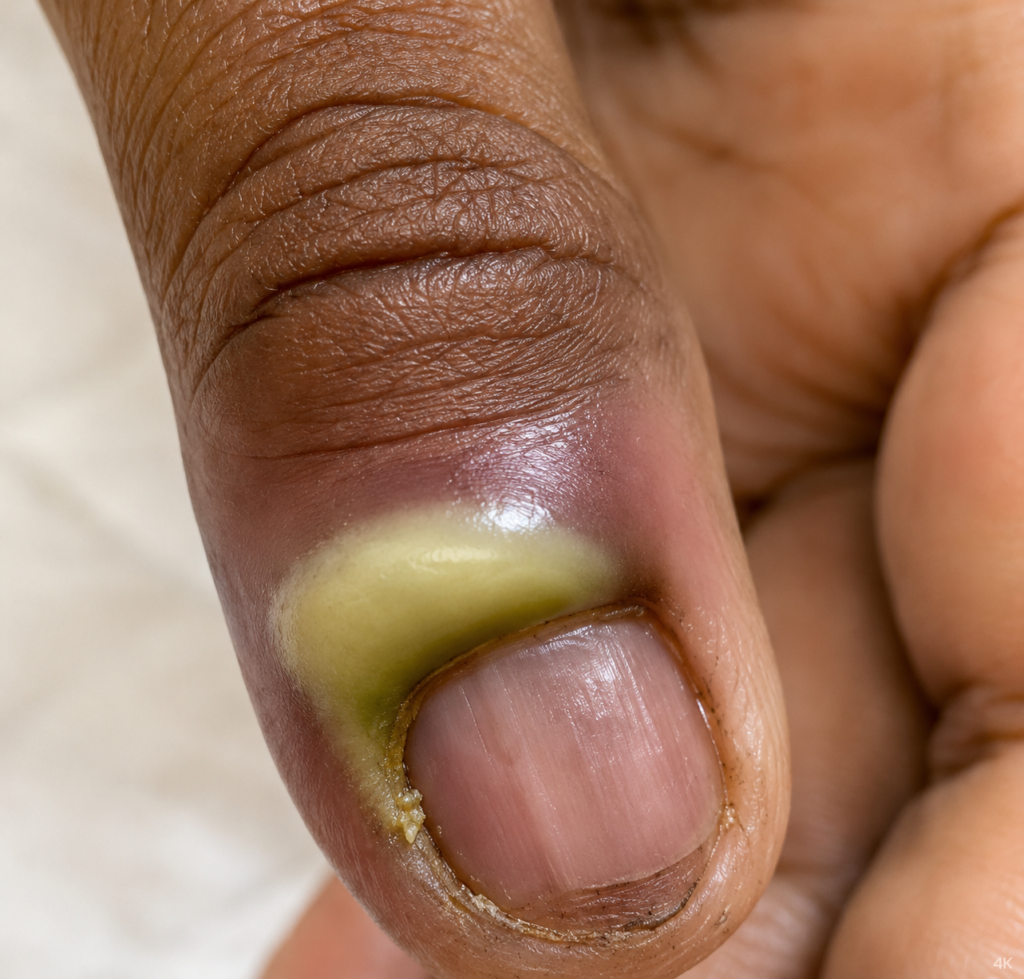
Ingrown nails are a common and painful problem that affects people of all ages. Whether it happens on the big toe or another nail, the discomfort can make walking, wearing shoes, or even sleeping difficult. Many people search for ways to remove an ingrown nail without pain and avoid expensive treatments. The good news is that mild ingrown nails can often be treated safely at home with proper care and patience.
In this detailed guide, you will learn what causes ingrown nails, how to remove them gently, natural remedies, prevention tips, and when to see a doctor. This SEO-friendly article is designed to help readers understand painless ingrown nail treatment methods in simple English.
What Is an Ingrown Nail?
An ingrown nail happens when the edge of the nail grows into the surrounding skin instead of growing straight out. This condition usually affects the big toe but can also happen on fingernails. The skin around the nail becomes red, swollen, tender, and painful.
If not treated properly, the area may become infected and filled with pus. Early treatment is important to reduce pain and prevent complications.
Common Causes of Ingrown Nails
Understanding the causes can help you avoid future problems. Some of the most common reasons include:
1. Cutting Nails Incorrectly
Cutting nails too short or rounding the corners can encourage the nail to grow into the skin.
2. Tight Shoes
Wearing narrow or tight shoes puts pressure on the toes and increases the risk of ingrown nails.
3. Injury
Stubbing your toe or dropping something heavy on it can damage the nail.
4. Poor Foot Hygiene
Dirty feet and excessive sweating may increase bacterial growth around the nail.
5. Thick or Curved Nails
Some people naturally have curved nails that are more likely to become ingrown.
6. Genetics
Ingrown nails can run in families.
Symptoms of an Ingrown Nail
Recognizing the signs early can help you treat the problem before it becomes severe.
Common symptoms include:
- Pain along the edge of the nail
- Redness and swelling
- Tender skin around the nail
- Difficulty walking
- Warmth around the toe
- Pus or drainage in infected cases
How to Remove an Ingrown Nail Without Pain
If the ingrown nail is mild and not infected, you can try safe home remedies. Follow these steps carefully to minimize pain and avoid injury.
Step 1: Soak Your Foot in Warm Water
Soaking softens the nail and skin, making removal easier and less painful.
How to Do It
- Fill a basin with warm water.
- Add a tablespoon of salt or Epsom salt.
- Soak the affected foot for 15–20 minutes.
- Repeat 3–4 times daily.
Warm water reduces swelling and helps the skin relax around the nail.
Step 2: Clean the Area Properly
After soaking, gently dry the foot with a clean towel.
Use:
- Mild soap
- Antiseptic solution
- Clean cotton pad
Keeping the area clean reduces infection risk.
Step 3: Gently Lift the Nail Edge
This is one of the safest ways to relieve pressure without pain.
What You Need
- Clean cotton
- Dental floss
- Tweezers
Method
- Sterilize the tweezers with rubbing alcohol.
- Gently lift the corner of the nail.
- Place a tiny piece of cotton or waxed floss under the edge.
This helps the nail grow above the skin instead of into it.
Important: Never force the nail upward if it hurts badly.
Step 4: Apply Antibiotic Cream
Use an over-the-counter antibiotic ointment to prevent infection.
Apply:
- Antibiotic cream
- Antiseptic cream
- Healing ointment
Cover with a clean bandage afterward.
Step 5: Wear Comfortable Shoes
Tight shoes can worsen pain and pressure.
Choose:
- Open-toe sandals
- Soft shoes
- Wide footwear
This gives the toe space to heal naturally.
Natural Remedies for Ingrown Nail Pain Relief
Many people prefer natural methods to reduce pain and inflammation.
1. Epsom Salt Soak
Epsom salt helps reduce swelling and softens the skin around the nail.
Benefits
- Relieves pain
- Reduces inflammation
- Helps drainage
Use 2 tablespoons in warm water for best results.
2. Tea Tree Oil
Tea tree oil has antibacterial properties.
How to Use
- Mix a few drops with coconut oil.
- Apply gently around the nail.
Do not apply directly without dilution because it may irritate sensitive skin.
3. Apple Cider Vinegar
Apple cider vinegar may help fight bacteria naturally.
Usage
- Mix with warm water.
- Soak the foot for 15 minutes.
4. Coconut Oil
Coconut oil moisturizes the skin and may reduce irritation.
Massage gently around the nail edge after soaking.
Mistakes to Avoid
Many people make the condition worse by using unsafe methods.
Avoid these mistakes:
Cutting Deep Into the Nail
This may cause bleeding and infection.
Using Dirty Tools
Always sterilize nail clippers and tweezers.
Pulling the Nail Forcefully
This can damage the nail bed and increase pain.
Ignoring Infection
Severe redness or pus requires medical attention.
When to See a Doctor
Home treatment is suitable only for mild cases.
Seek medical help if:
- Pain becomes severe
- There is pus or bleeding
- The toe becomes very swollen
- You have diabetes
- Fever develops
- Walking becomes difficult
Doctors may perform a small procedure to remove part of the nail safely and painlessly using local anesthesia.
Medical Treatments for Ingrown Nails
If home remedies fail, professional treatment may be necessary.
Partial Nail Removal
The doctor removes the ingrown section of the nail.
Benefits
- Immediate pain relief
- Prevents infection
- Quick healing
This procedure is usually done under local anesthesia, so pain is minimal.
Permanent Nail Treatment
For recurring ingrown nails, part of the nail root may be removed to stop regrowth.
This option is often recommended for chronic cases.
How to Prevent Ingrown Nails
Prevention is easier than treatment. Follow these healthy nail care habits.
Cut Nails Straight Across
Do not curve the edges too deeply.
Use proper nail clippers and avoid cutting nails too short.
Keep Feet Clean and Dry
Wash feet daily and change socks regularly.
Dry feet properly after bathing.
Wear Proper Footwear
Shoes should have enough room for the toes.
Avoid:
- Tight shoes
- High heels for long periods
- Narrow footwear
Protect Your Feet
Wear protective shoes during sports or heavy work.
Avoid Picking at Nails
Pulling or tearing nails can damage the skin.
Best Home Care Routine for Fast Healing
Here is a simple daily routine:
Morning
- Wash the foot
- Apply antibiotic cream
- Wear clean socks
Afternoon
- Soak in warm water
- Replace cotton under the nail if needed
Night
- Clean and dry the area
- Apply healing ointment
- Keep pressure off the toe
Consistency is important for healing.
Can You Remove an Ingrown Nail Completely at Home?
Mild ingrown nails may improve with careful home treatment. However, deeply embedded or infected nails should not be removed at home because this can lead to:
- Severe infection
- Bleeding
- Nail damage
- Increased pain
If unsure, consult a healthcare professional.
Frequently Asked Questions
Is removing an ingrown nail painful?
Proper home care and soaking can reduce pain significantly. Doctors also use anesthesia during procedures.
How long does an ingrown nail take to heal?
Mild cases may improve within a few days, while severe cases can take several weeks.
Can ingrown nails go away on their own?
Very mild cases sometimes improve naturally, but proper care speeds healing and prevents infection.
Is hydrogen peroxide good for ingrown nails?
It may help clean the area, but overuse can slow healing. Mild soap and warm water are often safer.
Final Thoughts
Learning how to remove an ingrown nail without pain can help you avoid discomfort and serious complications. Early treatment, proper hygiene, warm soaks, and gentle nail lifting are effective methods for mild cases. Never forcefully cut or pull the nail, as this can worsen the condition.
If pain becomes severe or signs of infection appear, professional treatment is the safest option. With proper nail care and prevention habits, you can keep your feet healthy and avoid future ingrown nails.
By following the tips in this guide, you can safely manage ingrown nails and enjoy pain-free walking again.
