
Do Dogs Sweat? How Dogs Cool Down in Hot Weather
Key Takeaways
- Dogs do sweat, but not like humans. They mainly regulate their body temperature through panting.
- Dogs have sweat glands in their paw pads, while other glands produce secretions that may help with scent communication.
- Hot weather can put dogs at risk of overheating and heatstroke.
- You can help your dog stay cool by providing fresh water, avoiding hot pavement, and walking during cooler hours.
Do Dogs Sweat?
Yes, dogs do sweat, but sweating is not their primary way of cooling down. Unlike humans, who sweat across much of their skin to release heat, dogs rely mainly on panting to regulate their body temperature.
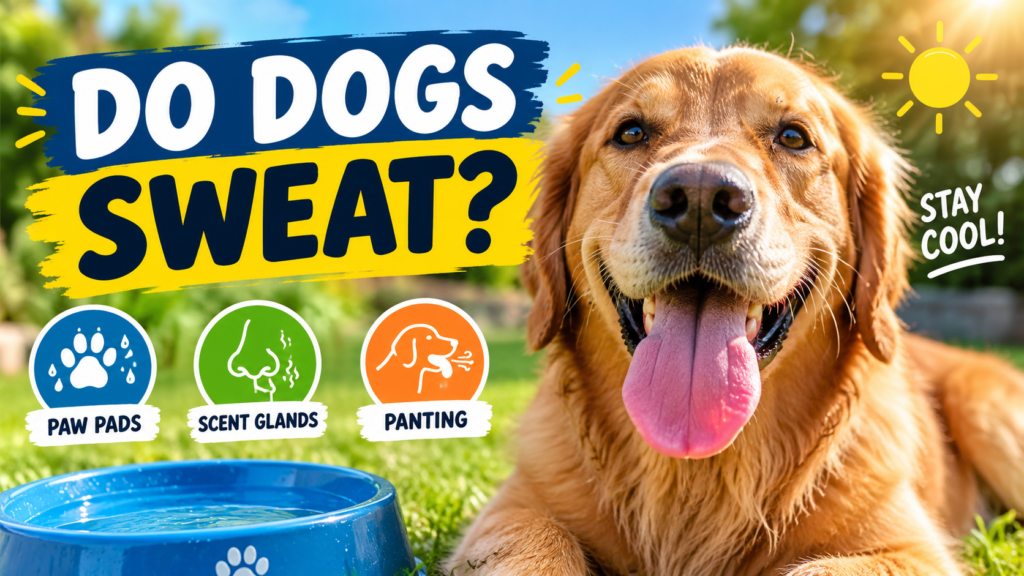
Dogs have different types of sweat glands. Eccrine glands are found primarily in their paw pads, where moisture can help with limited cooling. Apocrine glands are distributed throughout much of the skin and produce secretions associated with scent and communication rather than significant temperature regulation.
Because dogs cannot cool themselves as efficiently as humans through sweating, they need extra care during hot weather.
Do Dogs Sweat Like Humans?
No, dogs do not sweat in the same way humans do.
When people become hot, sweat spreads across their skin and evaporates, helping lower body temperature. Dogs have fur covering most of their bodies, and their sweat glands do not provide the same widespread cooling effect.
Instead, dogs depend on several natural mechanisms to release excess heat, especially panting and changes in blood flow near the skin’s surface.
Understanding how dogs cool themselves can help you recognize when your pet needs a break from exercise or relief from high temperatures.
Where Do Dogs Sweat?
Dogs have sweat glands in specific areas of their bodies, but these glands serve different purposes.
1. Paw Pads
Dogs have eccrine sweat glands in their paw pads. These glands release small amounts of moisture, which may help with limited cooling as the moisture evaporates.
You might notice damp paw prints when your dog is nervous, excited, or spending time in warm conditions. However, sweaty paws alone are not a reliable way to determine whether your dog is too hot.
2. Skin and Fur
Dogs have apocrine sweat glands associated with their hair follicles across much of their skin. These glands produce secretions that contribute to the dog’s natural scent and may help with communication between dogs.
Unlike human sweat glands, these glands do not play a major role in cooling the body.
3. Nose
A dog’s nose may appear wet, but this does not necessarily mean the dog is sweating. Moisture on the nose can come from normal nasal secretions and other sources.
Although the nose has several important functions, panting remains the primary way dogs release excess heat.
Youtube Video
How Do Dogs Cool Themselves Down?
Dogs primarily cool themselves through panting and vasodilation.
1. Panting
Panting is the main way dogs regulate their body temperature.
When a dog pants, air moves rapidly through the mouth and respiratory tract. Moisture evaporates from the tongue and other moist surfaces, helping remove heat from the body.
You may notice your dog panting after running, playing, or spending time outside on a warm day.
Panting is normal after exercise, but excessive or unusual panting can be a warning sign of overheating, particularly when accompanied by weakness, heavy drooling, or difficulty breathing.
2. Vasodilation
Vasodilation occurs when blood vessels widen, increasing blood flow near the body’s surface. This allows more heat to move from the blood into the surrounding environment.
Dogs can use this process to help release excess body heat, particularly in areas where blood vessels are close to the skin.
However, when the surrounding air is very hot, releasing heat becomes more difficult. This is one reason dogs can overheat quickly in hot weather.
How to Help Your Dog Stay Cool in Hot Weather
Dogs often depend on their owners to stay comfortable and safe when temperatures rise. These practical tips can help prevent overheating.
1. Provide Plenty of Fresh Water
Keep clean, fresh water available throughout the day. Bring water and a portable bowl when taking your dog on walks or outdoor adventures.
Encourage your dog to take regular water breaks, especially after exercise.
2. Walk Your Dog During Cooler Hours
Schedule walks early in the morning or later in the evening when temperatures are lower.
Avoid strenuous exercise during the hottest part of the day. Remember that humidity can also make it harder for dogs to cool down.
3. Avoid Hot Pavement
Asphalt, concrete, and other paved surfaces can become much hotter than the surrounding air.
Walk on grass or shaded paths whenever possible. If the pavement feels too hot for your hand, choose a cooler route to protect your dog’s paw pads.
4. Keep Your Dog in a Cool Environment
Provide access to shade and a well-ventilated indoor space. On extremely hot days, keep your dog indoors with fans or air conditioning when available.
Never leave your dog alone in a parked car, even if the windows are slightly open.
5. Use Cooling Mats and Other Safe Cooling Options
Cooling mats, shaded resting areas, and access to cool water can help your dog feel more comfortable.
Some dogs also enjoy playing in a shallow pool under supervision. Avoid forcing a frightened dog into water, and always ensure your pet can leave the pool easily.
6. Offer Dog-Friendly Frozen Treats
Frozen treats made with dog-safe ingredients can provide a refreshing snack. You can freeze small portions of your dog’s regular food or use plain, low-sodium broth that contains no onion or garlic.
Serve treats in appropriate portions and supervise your dog while eating.
7. Groom Your Dog Appropriately
Regular grooming helps remove loose hair and prevent mats, particularly in long-haired breeds.
However, avoid shaving a double-coated dog without veterinary guidance. A dog’s coat can provide insulation and some protection from sunlight.
Signs Your Dog May Be Overheating
Recognizing the early signs of overheating can help you respond quickly.
Watch for:
- Excessive or persistent panting
- Heavy drooling
- Restlessness or unusual discomfort
- Bright red gums or tongue
- Weakness or difficulty walking
- Vomiting or diarrhea
- Confusion, collapse, or seizures
Important: Heatstroke is a veterinary emergency. If you suspect your dog is overheating, move them to a cooler area, begin cooling them with cool—not ice-cold—water, and contact a veterinarian immediately. Do not delay veterinary care while trying home remedies.
Dogs can develop heatstroke even when they have not been exercising heavily, particularly in hot, humid conditions or poorly ventilated spaces.
Frequently Asked Questions
Do dogs sweat through their fur?
Dogs do not rely on sweating through their fur to cool down. Their apocrine glands produce secretions associated mainly with scent, while eccrine sweat glands are concentrated in the paw pads.
Can you smell dog sweat?
Dog body odor can come from natural skin secretions, bacteria and yeast on the skin, and other sources. Dogs also use scent to communicate with one another. A strong or sudden change in odor may indicate a skin or ear problem, so consider consulting a veterinarian if it persists.
What do dogs do instead of sweating?
Dogs primarily cool themselves by panting. Evaporation of moisture from the mouth and respiratory tract helps remove heat. Vasodilation also helps transfer heat toward the body’s surface.
Do dogs sweat through their paws?
Yes, dogs have sweat glands in their paw pads. These glands release small amounts of moisture, but sweating through the paws is not enough to cool the whole body effectively.
How can I tell if my dog is too hot?
Heavy panting, excessive drooling, weakness, vomiting, confusion, and collapse can indicate overheating. If your dog shows concerning symptoms, move them to a cooler place, begin gentle cooling, and seek urgent veterinary care.
Do dogs need baths to cool down?
A bath is not usually necessary just to cool a dog. Access to shade, fresh drinking water, and a cooler environment is generally more useful. If your dog is overheating, use cool water for initial cooling and contact a veterinarian promptly.
Final Thoughts
Dogs do sweat, but not in the same way humans do. Their sweat glands have limited roles in cooling, while panting is their main method of regulating body temperature.
You can help your dog stay safe by providing fresh water, choosing cooler times for walks, avoiding hot pavement, and keeping your pet in a comfortable environment during hot weather.
Most importantly, learn to recognize the signs of overheating. Acting quickly can protect your dog’s health and may even save their life.