
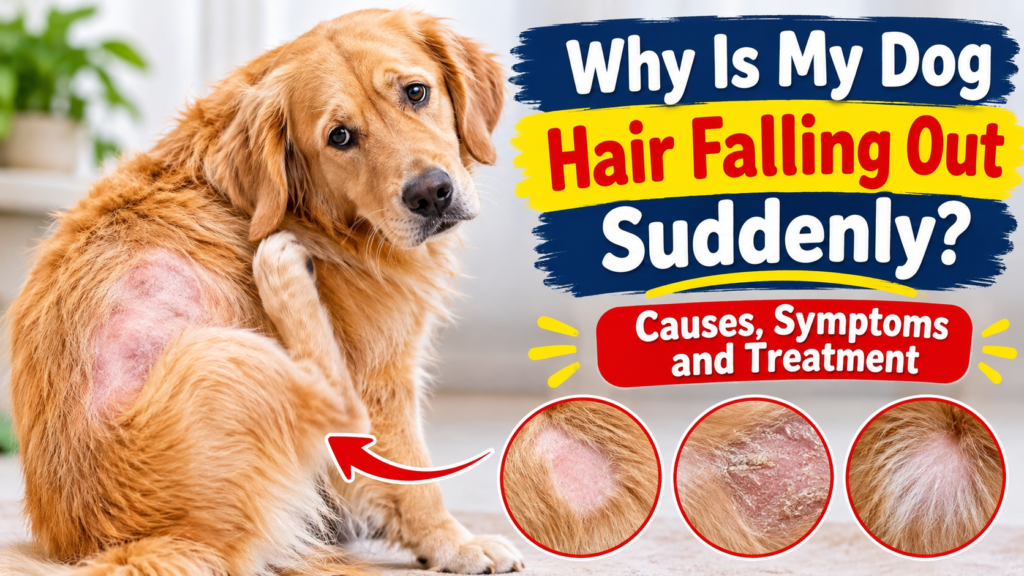

Why Is My Dog Hair Falling Out Suddenly? Causes, Symptoms and Treatment
Have you noticed your dog losing more hair than usual? Finding loose fur around the house is common, especially during seasonal shedding. However, sudden hair loss, bald patches, excessive scratching, or changes in your dog’s skin may indicate an underlying health problem.
Hair loss in dogs, also known as alopecia, can happen for several reasons. Common causes include nutritional deficiencies, hormonal imbalances, parasites, fungal infections, and skin allergies. Some conditions cause hair to fall out evenly, while others create noticeable bald spots on specific parts of the body.
Understanding why your dog’s hair is falling out can help you recognize warning signs and seek appropriate treatment. In this guide, we explain the common causes of sudden hair loss in dogs, symptoms to watch for, treatment options, and ways to support a healthy coat.
Is It Normal for Dogs to Lose Hair?
Yes, some hair loss is completely normal. Most dogs shed old or damaged hair as part of their natural hair growth cycle. The amount of shedding depends on the dog’s breed, coat type, age, health, and environment.
Dogs with thick double coats may shed heavily during seasonal changes, particularly in spring and fall. Female dogs may also experience changes in their coat after pregnancy or giving birth.
Normal shedding usually has these characteristics:
- Hair falls out relatively evenly across the body.
- The skin underneath looks healthy and does not appear irritated.
- There are no unusual bald patches.
- Your dog does not constantly scratch, bite, or lick its skin.
- New hair gradually grows where old hair has fallen out.
- Your dog continues eating, sleeping, and behaving normally.
However, sudden hair loss accompanied by redness, sores, itching, or darkened skin is not typical shedding. These symptoms may indicate a medical condition that needs veterinary attention.
Why Is My Dog Hair Falling Out Suddenly? 7 Common Causes
Several health problems can cause dogs to lose hair unexpectedly. Identifying the underlying cause is important because different conditions require different treatments.
1. Nutritional Deficiencies
A dog’s coat depends on a balanced diet containing protein, vitamins, minerals, and healthy fats. When a dog does not receive enough essential nutrients, its hair may become weak, dry, brittle, and more likely to fall out.
Some important nutrients for healthy dog skin and hair include:
Zinc: Zinc supports normal skin function, cell growth, and hair development. A deficiency may cause hair loss, skin thickening, and crusty patches around the eyes, mouth, and paws.
Biotin: Also known as vitamin B7, biotin helps support healthy skin and coat function. Inadequate nutrition can contribute to poor coat quality.
Protein: Hair is primarily made of keratin, a protein. Dogs need sufficient high-quality dietary protein to maintain healthy hair growth.
Omega-3 and Omega-6 fatty acids: These essential fats help maintain the skin’s natural protective barrier and support a healthy, shiny coat.
If your dog has a dull coat, excessive shedding, or dry skin, its diet may need attention. However, nutritional deficiencies are only one possible explanation. A veterinarian can help determine whether dietary changes or supplementation are necessary.
Youtube Video
2. Cushing’s Syndrome
Cushing’s syndrome, also called hyperadrenocorticism, develops when a dog’s body produces too much cortisol over an extended period.
Cortisol is a hormone that helps regulate several important body functions. Excessive amounts can affect the skin, hair growth, immune system, and metabolism.
Dogs with Cushing’s syndrome may experience:
- Hair loss on both sides of the body.
- Thin or darkened skin.
- A noticeably enlarged or pot-bellied abdomen.
- Increased thirst and urination.
- Increased appetite.
- Slow hair regrowth.
- Reduced muscle strength.
One noticeable sign is symmetrical hair loss, meaning the hair disappears in similar areas on both sides of the body.
The condition is more common in middle-aged and older dogs. It requires veterinary diagnosis and treatment, which may involve medication or, in selected cases, surgery.
3. Hypothyroidism
Hypothyroidism occurs when a dog’s thyroid gland does not produce enough thyroid hormones. These hormones help regulate metabolism and influence several body functions, including skin and hair growth.
The condition is commonly diagnosed in middle-aged dogs and may be more frequent in certain breeds, including Golden Retrievers, Doberman Pinschers, Irish Setters, and Cocker Spaniels.
Common symptoms include:
- Dry, dull, and brittle hair.
- Hair loss around the neck, body, or tail.
- Symmetrical bald patches.
- Dry or thickened skin.
- Weight gain without a major increase in food intake.
- Low energy and reduced activity.
- Increased sensitivity to cold.
Unlike some skin infections and parasite problems, hypothyroidism-related hair loss often occurs without severe itching.
A veterinarian can diagnose the condition using blood tests to evaluate thyroid hormone levels. Treatment generally involves daily thyroid hormone medication prescribed by a veterinarian.
4. Demodectic Mange
Demodectic mange is a skin condition caused by microscopic mites called Demodex. These mites can normally live in small numbers in a dog’s hair follicles.
Problems develop when the mites multiply excessively, often in dogs with immature or weakened immune systems.
Demodectic mange is commonly seen in puppies, although older dogs can also develop it, particularly when another health condition affects their immunity.
Signs may include:
- Small bald patches around the eyes.
- Hair loss around the mouth.
- Thinning hair on the front legs.
- Red or darkened skin.
- Scaling and crusting.
- Secondary bacterial skin infections.
In mild cases, dogs may not experience much itching. However, more severe infections can cause inflammation, sores, and discomfort.
Demodectic mange is generally not considered contagious between healthy adult dogs. A veterinarian can confirm the condition through skin testing and recommend appropriate treatment.
5. Sarcoptic Mange
Sarcoptic mange, commonly known as scabies, is caused by microscopic mites that burrow into the skin.
Unlike demodectic mange, sarcoptic mange is highly contagious among dogs and can also cause temporary skin irritation in humans.
The condition often produces intense itching. Dogs may scratch, bite, rub, and lick their skin repeatedly, eventually damaging the affected areas.
Common signs include:
- Sudden hair loss.
- Severe itching and scratching.
- Red, irritated skin.
- Crusty sores.
- Hair loss around the ears.
- Irritation around the elbows, belly, and legs.
- Skin injuries caused by repeated scratching.
Sarcoptic mange can spread through close contact with an infected animal. If you suspect your dog has this condition, contact your veterinarian promptly.
Treatment usually involves veterinarian-prescribed anti-parasitic medication. Other pets that have been exposed may also need examination or treatment.
6. Ringworm Infection
Despite its name, ringworm is not caused by a worm. It is a contagious fungal infection that affects the skin, hair, and sometimes nails.
Dogs can become infected through contact with fungal spores in the environment, contaminated objects, or infected animals.
Ringworm commonly causes circular patches of hair loss. These areas may have scaly skin, redness, and broken hairs.
Watch for these signs:
- Round bald patches.
- Dry or flaky skin.
- Redness around affected areas.
- Broken hair close to the skin.
- Crusty patches.
- Occasional itching.
Ringworm can spread from dogs to humans and other animals. Therefore, proper hygiene is important when handling an infected pet.
Veterinarians may use fungal testing to confirm the diagnosis. Treatment can include prescription antifungal creams, medicated shampoos, or oral medication, depending on how widespread the infection is.
Cleaning your dog’s bedding, grooming equipment, and living environment can also help reduce the risk of reinfection.
7. Yeast Skin Infection
Yeast dermatitis is another possible cause of sudden hair loss in dogs. It commonly develops when a naturally occurring yeast called Malassezia multiplies excessively on the skin.
Warm, moist environments and underlying conditions such as allergies or hormonal disorders can encourage yeast overgrowth.
Dogs with yeast dermatitis may experience:
- Excessive itching.
- Hair loss in affected areas.
- Red or darkened skin.
- Thickened skin.
- A strong musty or unpleasant odor.
- Greasy skin.
- Dark, waxy ear discharge.
Yeast infections commonly affect skin folds, the paws, belly, and ears.
Some dogs continue to experience recurring infections because an underlying problem, such as allergies, has not been addressed.
Treatment may include antifungal shampoos, topical medication, or oral antifungal drugs prescribed by a veterinarian.
Other Reasons Your Dog May Be Losing Hair
Besides the conditions mentioned above, several other problems can contribute to hair loss.
Fleas and flea allergies: Flea bites can cause intense itching, especially around the tail base and lower back. Some dogs develop allergic reactions to flea saliva, resulting in scratching and hair loss.
Environmental allergies: Pollen, dust mites, grass, and other environmental triggers can cause skin irritation. Repeated licking and scratching may damage the coat.
Skin injuries: Cuts, excessive scratching, and repeated rubbing can damage hair follicles and create bald areas.
Stress and anxiety: Some dogs repeatedly lick or chew their paws and other body parts when stressed or anxious. This behavior can eventually cause hair loss.
Identifying the underlying trigger is important for choosing the right treatment.
How to Treat Sudden Hair Loss in Dogs
Treatment depends on what is causing your dog’s hair to fall out. There is no single medication that works for every type of hair loss.
Here are some common approaches veterinarians may recommend.
1. Improve Your Dog’s Nutrition
A balanced diet supports healthy skin and normal hair growth.
Choose high-quality dog food that provides appropriate amounts of protein, essential fatty acids, vitamins, and minerals.
You can discuss the following nutrients with your veterinarian:
- Omega-3 fatty acids.
- Omega-6 fatty acids.
- Zinc.
- Biotin.
- Vitamin E.
- High-quality protein.
Avoid giving supplements without professional advice. Too much of certain vitamins and minerals can cause health problems.
2. Schedule a Veterinary Examination
If your dog’s hair is falling out suddenly, a veterinary examination can help identify the cause.
Depending on the symptoms, your veterinarian may recommend:
- Skin scrapings to check for mites.
- Fungal testing for ringworm.
- Blood tests to identify hormonal problems.
- Skin or ear samples to check for infections.
- Allergy evaluation.
- A review of your dog’s diet and medical history.
Hormonal conditions such as hypothyroidism and Cushing’s syndrome require specific medical treatment.
Do not try to treat these conditions with ordinary supplements or human medications.
3. Control Fleas and Other Parasites
Parasites can cause itching, inflammation, and hair loss. Your veterinarian may recommend suitable flea, tick, or mite treatments.
Some prescription products contain active ingredients such as afoxolaner, fluralaner, sarolaner, or lotilaner.
The correct medication depends on your dog’s age, weight, health, and the parasite involved.
You should also:
- Wash your dog’s bedding regularly.
- Clean sleeping areas.
- Vacuum carpets and furniture.
- Wash grooming tools.
- Follow your veterinarian’s parasite prevention schedule.
Never use a parasite treatment intended for another animal without checking whether it is safe for your dog.
4. Treat Fungal and Yeast Infections
Fungal and yeast infections require appropriate antifungal treatment.
A veterinarian may recommend products containing ingredients such as ketoconazole or miconazole, depending on the infection.
Some dogs need medicated baths, topical treatments, or oral medication.
Keep your dog’s coat clean and dry, especially after bathing or swimming. Avoid shaving affected areas unless your veterinarian recommends it.
5. Prevent Excessive Scratching
Repeated scratching can make skin irritation and hair loss worse.
Keep your dog’s nails trimmed and prevent excessive licking or biting of affected areas. Your veterinarian may recommend an appropriate protective collar or medication to reduce discomfort.
Avoid applying human creams, essential oils, or home remedies to irritated skin without veterinary guidance.
When Should You Take Your Dog to the Vet?
Not every loose hair requires medical attention. However, sudden or unusual hair loss should not be ignored.
Arrange a veterinary examination if you notice:
- Large bald patches.
- Hair falling out rapidly.
- Redness, swelling, or open sores.
- Persistent itching or scratching.
- Thickened or darkened skin.
- Unpleasant skin odor.
- Hair loss around the eyes, ears, or paws.
- Changes in appetite, thirst, or weight.
- Low energy or unusual behavior.
Seek prompt veterinary care if your dog has widespread skin damage, painful sores, or appears seriously unwell.
Early diagnosis can help prevent skin problems from becoming more severe.
How to Prevent Hair Loss in Dogs
Although not every cause of hair loss can be prevented, good everyday care can support healthy skin and coat condition.
Provide balanced food: Feed your dog a complete and balanced diet suitable for its age, size, and activity level.
Maintain parasite prevention: Follow a veterinarian-recommended schedule for flea, tick, and mite prevention.
Brush regularly: Brushing removes loose hair, distributes natural oils, and helps you notice skin changes early.
Bathe appropriately: Use a dog-friendly shampoo and avoid bathing too frequently, as excessive washing may dry out the skin.
Keep bedding clean: Regularly wash blankets, beds, and grooming accessories.
Schedule routine checkups: Regular veterinary visits can help identify underlying health problems before they become serious.
Monitor skin changes: Check your dog’s ears, belly, paws, and coat regularly for redness, unusual smells, sores, or bald patches.
Frequently Asked Questions
1. Why is my dog’s hair falling out suddenly?
Sudden hair loss can be caused by parasites, fungal infections, skin allergies, hormonal disorders, nutritional deficiencies, or excessive scratching. If your dog develops bald patches or irritated skin, consult a veterinarian.
2. Is it normal for dogs to lose hair in patches?
No. Although some seasonal shedding is normal, clearly defined bald patches are not typical. They may indicate mange, ringworm, hormonal problems, or another skin condition.
3. Can stress cause hair loss in dogs?
Stress may contribute to hair loss when a dog repeatedly licks, bites, or chews its skin. However, other medical causes should be ruled out before assuming stress is responsible.
4. Can dog hair loss spread to humans?
Normal shedding and hormonal hair loss cannot spread to people. However, certain infections, particularly ringworm and sarcoptic mange, can affect humans. Good hygiene and veterinary treatment are important.
5. Can hair grow back after mange?
Yes. Many dogs can regrow their hair after successful treatment of mange. However, recovery time depends on the severity of the infection, the dog’s overall health, and whether secondary skin infections are present.
6. What food helps dogs grow healthy hair?
A complete and balanced dog food containing quality protein, essential fatty acids, vitamins, and minerals supports healthy skin and coat growth. Additional supplements should only be given when appropriate for your dog’s needs.
7. How long does it take for a dog’s hair to grow back?
Hair regrowth varies depending on the underlying condition, the dog’s breed, and the severity of the hair loss. Some dogs begin showing improvement within several weeks, while others may need several months.
Conclusion
Sudden hair loss in dogs can happen for many reasons, ranging from normal shedding and poor nutrition to parasites, fungal infections, and hormonal disorders.
The most important step is to identify whether your dog is experiencing ordinary shedding or a skin-related health problem. Bald patches, severe itching, redness, unusual odors, and changes in behavior are signs that deserve attention.
A balanced diet, regular grooming, parasite prevention, and routine veterinary checkups can help maintain healthy skin and a beautiful coat. If your dog’s hair is falling out suddenly or the skin looks irritated, consult a veterinarian to find the cause and begin appropriate treatment.