
Can Dogs Eat Human Foods? 51 Foods Dogs Can and Cannot Eat
Sharing food with your furry friend can be tempting, especially when your dog looks at you with those adorable eyes during mealtime. However, not every food that is healthy for humans is suitable for dogs. Some everyday ingredients can upset a dog’s stomach, while others may cause serious poisoning.
The good news is that many human foods can be enjoyed by dogs as occasional treats. Fruits, vegetables, lean meats, and certain grains can provide additional nutrients when served correctly and in appropriate portions.
However, knowing which foods are safe and which should be avoided is essential for protecting your pet’s health.
In this guide, we will explore 51 common human foods and explain whether dogs can eat them, how to serve them safely, and which ingredients should never be included in your dog’s diet.
Quick Guide: 51 Human Foods for Dogs
Before sharing anything from your plate, check this simple food guide.
Generally Safe Foods:
- Apples (without seeds)
- Bananas
- Beef
- Blackberries
- Blueberries
- Plain bread
- Broccoli
- Carrots
- Celery
- Coconut
- Corn kernels
- Cooked eggs
- Green peas
- Mango
- Store-bought mushrooms
- Oatmeal
- Oranges
- Peanut butter without xylitol
- Pineapple
- Cooked pork
- Plain cooked potatoes
- Rice
- Cooked salmon
- Cooked shrimp
- Strawberries
- Sweet potatoes
- Turkey
- Watermelon
Foods to Limit:
- Almonds
- Cashews
- Cheese
- Cottage cheese
- Cinnamon
- Honey
- Milk
- Peanuts
- Salt
- Tomatoes
Foods to Avoid:
- Avocados
- Cherries
- Chocolate
- Garlic
- Grapes and raisins
- Lemons and limes
- Macadamia nuts
- Nutmeg
- Onions
- Raw yeast dough
- Xylitol
- Alcohol
- Coffee and tea
Fruits and Vegetables Dogs Can Eat
Fruits and vegetables can provide vitamins, minerals, antioxidants, and fiber. However, they should only make up a small part of your dog’s overall diet.
1. Apples – Yes
Apples are a healthy, refreshing snack for dogs. They contain fiber, vitamins, and antioxidants that support overall health.
Always remove the seeds and core before giving apples to your dog. Apple seeds contain compounds that can release cyanide when chewed and digested in sufficient quantities.
Cut the apple into small pieces to make it easier and safer for your dog to eat.
2. Bananas – Yes
Bananas are safe for dogs when offered in moderation. They contain fiber, potassium, and several vitamins.
You can offer your dog a few small banana slices or mash a little banana into regular dog food.
Because bananas contain natural sugar, avoid giving large portions, especially to dogs that need weight management.
3. Blackberries – Yes
Fresh or frozen blackberries can make a nutritious treat. They contain fiber, vitamins, and antioxidants while being relatively low in calories.
Wash fresh berries properly and offer only a few at a time.
4. Blueberries – Yes
Blueberries are among the best fruit treats for dogs. They contain antioxidants, fiber, and essential nutrients that support general wellness.
Their small size makes them convenient to serve. You can offer fresh or frozen blueberries as an occasional snack.
5. Broccoli – Yes
Dogs can eat small amounts of raw or cooked broccoli. This vegetable provides fiber and several vitamins while being relatively low in calories.
However, broccoli contains compounds called isothiocyanates, which may irritate a dog’s digestive system when consumed in large quantities.
Serve small, bite-sized portions without butter, salt, or seasoning.
6. Carrots – Yes
Carrots are a popular healthy snack for dogs. They contain beta-carotene, fiber, and vitamins.
Both raw and cooked carrots can be offered. Raw carrots may also provide a crunchy chewing experience.
Always cut carrots into suitable pieces to reduce choking risks.
7. Celery – Yes
Celery is low in calories and contains several vitamins and minerals. Dogs can enjoy small amounts as an occasional crunchy treat.
Wash it carefully and cut it into short, manageable pieces before serving.
8. Coconut – Yes
Small quantities of plain coconut meat can be safe for most dogs.
Some pet owners also use coconut products as occasional treats because they contain fats. However, coconut oil is calorie-dense and may cause digestive upset if given excessively.
Introduce coconut slowly and avoid sweetened or flavored products.
9. Corn – Yes
Dogs can eat plain, cooked corn kernels in moderation. Corn provides carbohydrates and some nutrients and is also commonly included in commercial dog food.
Never give your dog a whole corn cob. It can become a choking hazard and may cause an intestinal blockage if swallowed.
Avoid adding butter, salt, or seasonings.
10. Green Peas – Yes
Green peas are a nutritious addition to an occasional dog treat. They contain fiber, vitamins, and minerals.
Fresh or frozen peas are generally suitable when served plain. Avoid canned peas that contain excessive added salt.
11. Mango – Yes
Dogs can enjoy small amounts of ripe mango. This fruit provides vitamins, minerals, and fiber.
Remove the skin and large pit before serving. The pit can create a choking hazard, while the skin may be difficult for some dogs to digest.
Cut the fruit into small pieces.
12. Mushrooms – Yes, With Caution
Plain, store-bought mushrooms are generally safe for dogs in moderate quantities.
However, never allow your dog to eat unidentified wild mushrooms. Some wild varieties are poisonous and can cause severe illness.
Avoid mushrooms prepared with garlic, onions, butter, or heavy seasoning.
13. Oranges – Yes
Dogs can eat small amounts of orange flesh. Oranges contain vitamin C and other nutrients.
Remove the peel and seeds before offering a few small pieces.
Because oranges contain natural sugar and acidity, too much may cause stomach discomfort.
14. Pineapple – Yes
Fresh pineapple can be a refreshing treat for dogs. It contains fiber, vitamins, and minerals.
Remove the tough outer skin and hard core. Serve only a few small pieces.
Avoid canned pineapple packed in sugary syrup, and do not offer large portions.
15. Potatoes – Yes, When Cooked
Plain, fully cooked potatoes can be eaten by dogs in small quantities.
Never feed raw potatoes. They contain solanine, a natural compound that can be harmful to dogs.
Avoid french fries, chips, and potatoes prepared with excessive butter, salt, or spices.
16. Strawberries – Yes
Strawberries provide fiber, vitamins, and antioxidants. They can be a tasty occasional treat for dogs.
Wash them thoroughly, remove the green tops if desired, and cut larger strawberries into smaller pieces.
Avoid strawberry products containing added sugar or artificial sweeteners.
17. Sweet Potatoes – Yes
Plain cooked sweet potatoes are a good source of fiber and beta-carotene.
They should always be served cooked, without added butter, sugar, or seasoning.
Offer small portions because too much can contribute to digestive problems and unnecessary calorie intake.
18. Watermelon – Yes
Watermelon is a refreshing fruit that contains plenty of water and some vitamins.
Remove all seeds and the outer rind before serving. The seeds and rind can create choking or digestive problems.
Give your dog a few small pieces of fresh watermelon rather than large portions.
19. Tomatoes – Limit
Ripe red tomatoes can generally be offered in very small amounts to dogs.
However, green tomatoes and other green parts of the tomato plant may contain higher levels of tomatine, which can be harmful.
Large amounts may cause vomiting, stomach problems, weakness, and other concerning symptoms.
Fruits and Vegetables Dogs Should Avoid
Some fruits and vegetables contain compounds that can be dangerous for dogs. Keep these foods away from your pet.
20. Avocados – Avoid
Avocados contain persin, a natural compound that may cause health problems in animals.
The pit also presents a serious choking and intestinal blockage risk.
It is safest to keep avocado fruit, pits, leaves, and other plant parts away from dogs.
21. Cherries – Avoid
Cherry pits contain cyanide-related compounds and can also cause choking or intestinal blockage.
Cherry flesh itself is not the main concern, but removing every pit can be difficult. Therefore, it is better to avoid giving cherries to your dog.
22. Garlic – Avoid
Garlic belongs to the allium family and contains compounds that can damage a dog’s red blood cells.
Consuming garlic may lead to anemia and digestive problems.
Avoid feeding garlic in any form, including garlic powder and foods prepared with garlic.
23. Grapes and Raisins – Avoid Completely
Grapes and raisins are extremely dangerous for dogs. Even small amounts may cause serious kidney damage in susceptible animals.
The exact toxic substance responsible is not fully understood, and individual sensitivity can vary.
Never offer grapes or raisins as snacks.
If your dog eats either food, contact a veterinarian immediately rather than waiting for symptoms.
24. Lemons and Limes – Avoid
Lemons and limes contain acidic compounds and substances that may irritate a dog’s digestive system.
Eating these fruits or their peels may cause vomiting, diarrhea, and other unpleasant symptoms.
There is no reason to include them in your dog’s diet.
25. Onions – Avoid Completely
Onions contain compounds that can damage red blood cells and cause anemia in dogs.
All forms should be avoided, including raw onions, cooked onions, onion juice, and onion powder.
Be especially careful with soups, sauces, and prepared meals because they may contain hidden onion ingredients.
Meat and Protein Foods Dogs Can Eat
Protein is essential for muscle development and general health. Several plain, properly cooked meats can be suitable for dogs.
26. Beef – Yes
Lean beef is a good source of protein and contains important vitamins and minerals.
Serve it fully cooked and plain. Remove excess fat and avoid sauces, onions, garlic, and seasonings.
27. Chicken – Yes
Plain cooked chicken is commonly used in dog food because it provides high-quality protein.
Remove every bone before serving. Cooked chicken bones can break into sharp pieces and injure your dog’s digestive tract.
Avoid raw chicken because it may contain harmful bacteria.
28. Eggs – Yes
Fully cooked eggs are nutritious for dogs. They provide protein, vitamins, and minerals.
You can serve boiled or scrambled eggs without butter, oil, salt, or seasoning.
Avoid raw eggs because of possible bacterial contamination.
29. Pork – Yes
Plain, thoroughly cooked pork can be offered to dogs in moderate quantities.
Remove bones and excess fat before serving.
Never give raw or undercooked pork. Processed products such as bacon and ham should also be avoided because they often contain excessive salt and fat.
30. Salmon – Yes
Cooked salmon provides protein and omega-3 fatty acids that support skin, coat, and overall health.
Make sure the fish is completely cooked and carefully remove all bones.
Never feed raw salmon because it may carry parasites associated with salmon poisoning disease.
31. Shrimp – Yes
Plain, cooked shrimp can be an occasional protein-rich treat.
Remove the shell, tail, and other hard parts before serving.
Avoid raw shrimp and shrimp prepared with garlic, butter, salt, or spicy sauces.
32. Turkey – Yes
Plain, cooked turkey is generally safe for dogs.
Choose boneless, skinless meat and remove excess fat. Avoid seasoned turkey, especially stuffing that contains onions or garlic.
Dairy Products Dogs Can Eat in Small Amounts
Dairy products are not suitable for every dog. Many dogs have difficulty digesting lactose, which can lead to gas, loose stools, or diarrhea.
33. Cheese – Limit
Small amounts of plain cheese may be tolerated by some dogs.
However, cheese can contain significant amounts of fat and lactose. Too much may cause digestive upset or contribute to weight gain.
Offer only tiny portions occasionally.
34. Cottage Cheese – Limit
Plain cottage cheese can be given in small quantities to dogs that tolerate dairy.
Some dogs may experience stomach discomfort or diarrhea after eating it.
Start with a very small amount and avoid flavored or heavily salted varieties.
35. Milk – Limit
Some dogs can tolerate a few tablespoons of milk, but others may develop digestive problems.
Lactose intolerance is common in dogs and may cause gas, vomiting, loose stools, and diarrhea.
Fresh drinking water should always be your dog’s main beverage.
Nuts and Grains Dogs Can Eat
Some nuts and grains can be offered in small quantities, but their fat content, ingredients, and preparation methods matter.
36. Almonds – Limit
Almonds are not generally considered toxic to dogs, but they can be difficult to digest.
Eating too many may cause vomiting, diarrhea, or other digestive problems.
Their high fat content may also contribute to weight gain and pancreatitis.
It is best to avoid using almonds as a regular dog treat.
37. Bread – Yes
Plain white or whole-wheat bread is generally safe for dogs in small amounts.
However, bread does not provide much nutritional value for pets and can add unnecessary calories.
Always check the ingredients. Never give bread containing raisins, xylitol, or other harmful ingredients.
38. Cashews – Limit
Plain, unsalted cashews can be offered occasionally in very small quantities.
They contain fat and calories, so excessive consumption may contribute to weight gain and digestive problems.
Avoid salted, flavored, or chocolate-covered cashews.
39. Peanuts – Limit
Plain, unsalted peanuts are generally safe for dogs in small quantities.
They are high in fat, so large portions are not recommended.
Always remove shells and avoid peanuts containing salt, spices, or artificial sweeteners.
40. Peanut Butter – Yes
Many dogs enjoy peanut butter, and it can be used as an occasional treat.
Choose plain peanut butter without added salt or harmful sweeteners.
Important: Never feed peanut butter containing xylitol. This sweetener is highly toxic to dogs and can cause a dangerous drop in blood sugar.
41. Popcorn – Yes
Plain, air-popped popcorn can be an occasional crunchy snack.
Avoid buttered, salted, caramel-coated, or flavored popcorn.
Only offer fully popped kernels because unpopped pieces can cause choking or become stuck in your dog’s teeth.
42. Macadamia Nuts – No
Macadamia nuts are toxic to dogs, even in relatively small quantities.
They may cause vomiting, weakness, tremors, and difficulty walking.
Keep macadamia nuts and products containing them away from your pet.
43. Oatmeal – Yes
Plain, fully cooked oatmeal can provide fiber and some useful nutrients.
Prepare it with water instead of adding sugar, chocolate, raisins, or flavored ingredients.
Allow it to cool before serving and offer a small portion.
44. Raw Yeast Dough – No
Raw yeast dough is extremely dangerous for dogs.
The dough can expand inside the stomach, causing painful bloating and potentially serious complications.
Yeast fermentation also produces alcohol, which can lead to alcohol poisoning.
Contact a veterinarian immediately if your dog consumes raw yeast dough.
45. Rice – Yes
Plain cooked white or brown rice is generally easy for dogs to digest.
Some veterinarians recommend plain rice as part of a temporary bland diet for certain digestive problems.
You can serve a small amount with plain cooked chicken or turkey if appropriate for your dog’s needs.
Spices and Sweeteners Dogs Should Know About
Some ingredients found in everyday kitchens can be harmful to dogs, even when they are used in small quantities.
46. Chocolate – No
Chocolate is one of the most well-known toxic foods for dogs.
It contains theobromine and caffeine, which dogs cannot process as efficiently as humans.
Eating chocolate may cause vomiting, diarrhea, restlessness, abnormal heart rhythms, tremors, and seizures.
Dark chocolate and baking chocolate generally contain higher concentrations of these harmful compounds.
Never intentionally feed chocolate to your dog. Contact a veterinarian immediately if your pet eats any amount.
47. Cinnamon – Limit
Cinnamon is not generally considered toxic to dogs in small quantities.
However, large amounts may irritate the mouth and digestive system.
Inhaling cinnamon powder can also cause coughing and breathing difficulties.
Avoid giving your dog cinnamon-flavored baked goods containing other harmful ingredients.
48. Honey – Limit
Plain honey can be offered to healthy adult dogs in very small amounts.
However, it contains a high concentration of natural sugar and calories.
Dogs with diabetes or weight problems should not receive honey without veterinary advice.
49. Nutmeg – No
Nutmeg contains myristicin, a compound that can be harmful to dogs when consumed in significant amounts.
Possible symptoms include stomach discomfort, disorientation, increased heart rate, and seizures.
Keep nutmeg and baked goods containing large amounts of it away from your dog.
50. Salt – Limit
Dogs need some sodium, but excessive salt can be dangerous.
Too much salt may cause vomiting, diarrhea, excessive thirst, tremors, and seizures.
Avoid giving salty snacks such as chips, pretzels, and heavily seasoned foods.
Always provide fresh drinking water.
51. Xylitol – No
Xylitol is an artificial sweetener found in some sugar-free gums, candies, baked goods, and oral-care products.
It is extremely toxic to dogs and can cause a rapid drop in blood sugar.
In serious cases, exposure may lead to liver damage, seizures, and even death.
Always check ingredient labels before sharing human food with your pet.
Beverages Dogs Should Never Drink
Some common drinks contain substances that can seriously affect a dog’s nervous system and overall health.
Alcohol – No
Dogs should never drink alcoholic beverages.
Alcohol can cause poisoning, vomiting, weakness, poor coordination, breathing problems, and seizures.
Keep beer, wine, spirits, and alcohol-containing products out of your dog’s reach.
Coffee and Tea – No
Coffee and tea contain caffeine, which is dangerous for dogs.
Caffeine can stimulate the nervous system and cause restlessness, increased heart rate, vomiting, tremors, and seizures.
Keep coffee, tea, energy drinks, and caffeinated products away from your pet.
How to Safely Introduce Human Foods to Your Dog
Even when a particular food is considered safe, it does not mean your dog should eat unlimited amounts.
Follow these simple precautions:
1. Start With Small Portions
Introduce one new food at a time. This makes it easier to identify any food that causes an unwanted reaction.
2. Avoid Seasonings
Prepare human foods without garlic, onions, excessive salt, sauces, or spicy ingredients.
3. Remove Seeds, Pits, and Bones
Some seeds, fruit pits, and bones can cause choking, poisoning, or digestive injuries.
4. Watch for Allergic Reactions
Monitor your dog for itching, swelling, vomiting, diarrhea, or unusual behavior after introducing a new food.
5. Keep Treats Moderate
Human foods should not replace a complete and balanced dog diet. Treats should generally account for no more than 10% of a dog’s daily calories.
6. Ask Your Veterinarian
Dogs have different nutritional needs depending on their age, size, activity level, and health conditions. Ask your veterinarian before making significant dietary changes.
What Should You Do If Your Dog Eats Toxic Food?
If your dog accidentally eats chocolate, grapes, raisins, xylitol, onions, or another potentially dangerous ingredient, contact a veterinarian or emergency veterinary clinic immediately.
Do not wait for symptoms to appear. Some toxic foods can cause serious internal damage before obvious signs develop.
Try to identify:
- What food your dog consumed.
- Approximately how much was eaten.
- When your dog ate it.
- Your dog’s approximate weight.
Keep the food packaging or ingredient list available because it may help the veterinarian assess the situation.
Never attempt to make your dog vomit unless a veterinary professional specifically instructs you to do so.
Final Thoughts
Many human foods can be shared with dogs safely, but choosing the right ingredients and serving appropriate portions is essential.
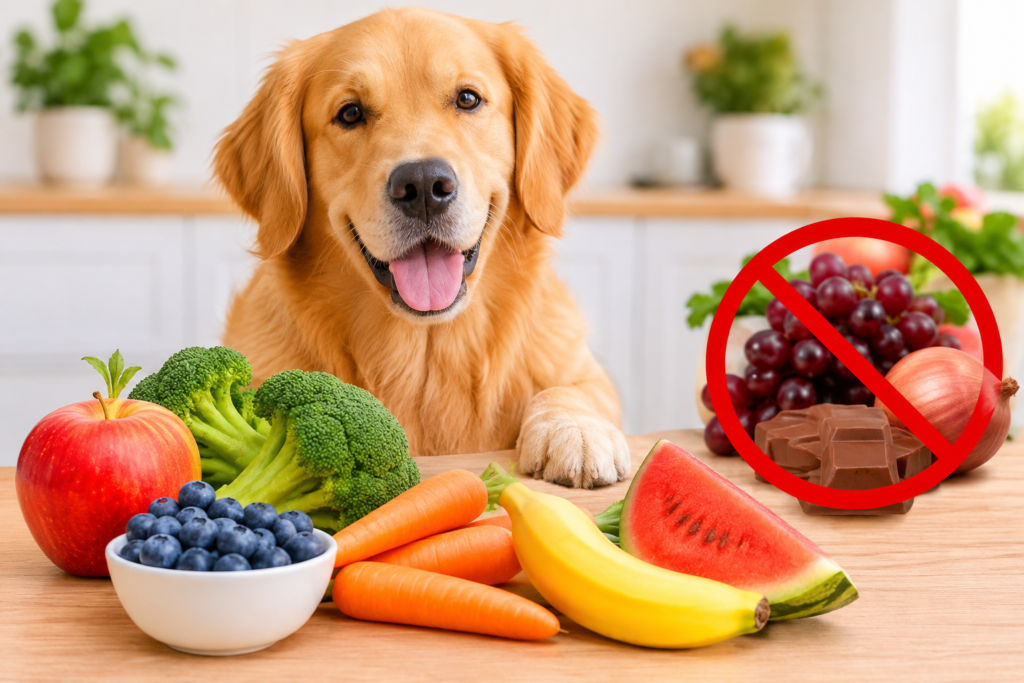
Apples, blueberries, carrots, cooked chicken, eggs, and plain rice are examples of foods that can be suitable occasional treats.
On the other hand, chocolate, grapes, raisins, onions, garlic, macadamia nuts, xylitol, and alcohol should always be kept away from dogs.
Remember that every dog is different. A food that one dog tolerates may cause digestive problems in another.
When you are unsure whether a particular food is safe, check with your veterinarian before offering it to your furry companion. A little extra care can help keep your dog happy, healthy, and safe.