
Can Dogs Eat Yogurt and Butter? Benefits, Risks, and Feeding Tips
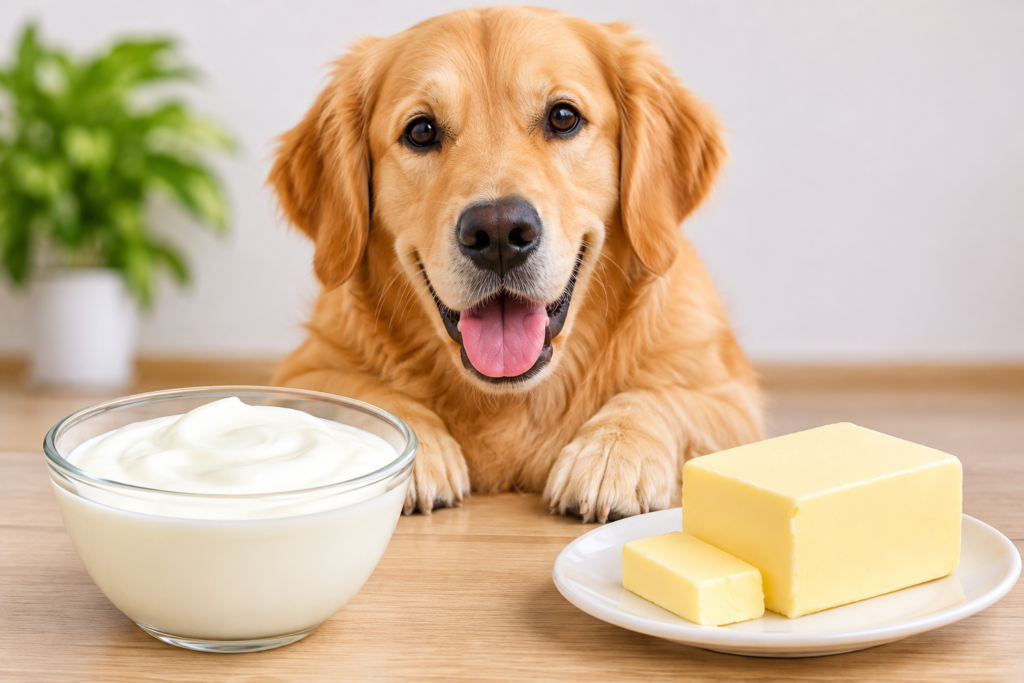
Many dog owners enjoy sharing small snacks with their furry companions. Yogurt and butter are common foods found in most kitchens, but are they safe for dogs? The answer depends on the type of food, the ingredients, and how much your dog consumes.
Plain yogurt can be a suitable occasional treat for some dogs, especially when it contains no added sugar or artificial sweeteners. However, butter is not a healthy choice for dogs because it contains high amounts of fat and provides very little nutritional benefit.
Before giving your dog any dairy product, it is important to understand the possible benefits, risks, and proper serving sizes. Some dogs can tolerate small amounts of yogurt, while others may experience digestive problems.
Let’s explore which yogurt is best for dogs, how much they can eat, and why butter should generally be avoided.
What Is the Best Kind of Yogurt for Dogs?
Plain yogurt without added sweeteners, preservatives, or unnecessary ingredients is generally the best option for dogs. Low-fat or non-fat plain yogurt may also be suitable, depending on your dog’s dietary needs.
However, checking the ingredient label is essential before offering yogurt to your pet.
Dogs should never eat yogurt containing xylitol, which may also be listed as birch sugar. This artificial sweetener is highly toxic to dogs and can cause dangerously low blood sugar levels and liver damage. Even a small amount of xylitol can be harmful, so avoid any yogurt containing this ingredient.
It is also best to avoid fruit-flavored yogurts and products with added toppings or mix-ins. These products may contain extra sugar, syrups, artificial sweeteners, or other ingredients that are not suitable for dogs.
Another important consideration is lactose. Many dogs become less able to digest lactose as they grow older. Because yogurt contains dairy, some dogs may experience gas, diarrhea, vomiting, or other digestive discomfort after eating it.
For this reason, start with a very small amount of plain yogurt and observe your dog for any unusual symptoms.
How Do I Know How Much Yogurt to Give My Dog?
The appropriate amount of yogurt depends on several factors, including your dog’s:
- Size and body weight
- Daily calorie requirements
- Activity level
- Overall health
- Existing medical conditions
- Current diet and nutritional needs
Yogurt should be considered an occasional treat rather than a regular meal replacement. Treats should generally make up no more than 10% of a dog’s daily calorie intake, while the remaining calories should come from a complete and balanced diet.
For an average-sized dog, a small spoonful of plain yogurt may be a reasonable starting point. However, smaller dogs may need much less, while larger dogs may tolerate a slightly larger serving.
The amount should also be adjusted according to the yogurt’s calorie and fat content.
If your dog has a sensitive stomach, a history of pancreatitis, or another medical condition, speak with your veterinarian before adding yogurt to their diet.
Where Can I Find Nutritional Information About Yogurt?
The nutritional content of yogurt can vary significantly depending on the brand and type. Some products contain more fat, sugar, and calories than others.
Before feeding yogurt to your dog, check the nutrition label for:
- Total calories
- Fat content
- Added sugar
- Artificial sweeteners
- Ingredients that may be harmful to dogs
Plain yogurt is usually a better option than flavored varieties because it does not contain unnecessary added ingredients.
A small spoonful can introduce a different texture and taste to your dog’s diet without adding too many calories. However, feeding too much yogurt can lead to digestive problems, especially in dogs that are sensitive to lactose.
Remember that your dog already receives most of the nutrients they need from a balanced dog food diet. Yogurt should only be used as an occasional treat.
Can Dogs Eat Greek Yogurt?
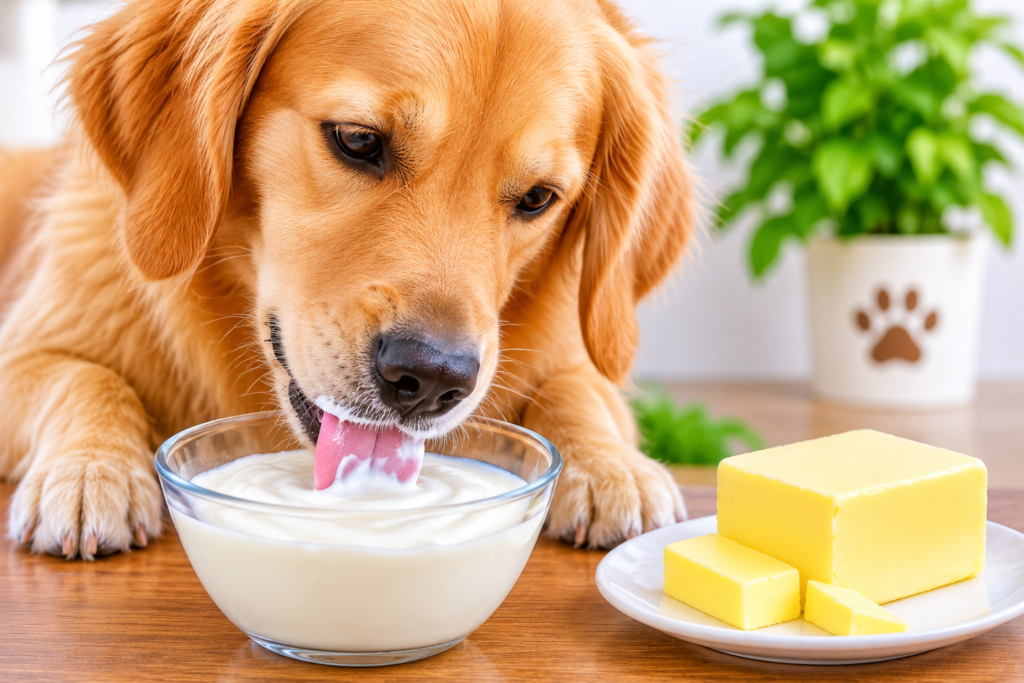
Yes, dogs can eat plain Greek yogurt in small amounts, provided it does not contain xylitol or other harmful ingredients.
Greek yogurt is thicker than regular yogurt because much of the liquid whey is removed during the production process. Some dogs may enjoy its thicker texture.
Plain Greek yogurt can also contain more protein than regular yogurt. However, its nutritional content varies depending on the product.
When choosing Greek yogurt for your dog, look for:
- Plain, unsweetened Greek yogurt
- No xylitol or artificial sweeteners
- No chocolate or other unsafe ingredients
- A suitable fat content for your dog’s diet
Low-fat or non-fat Greek yogurt may be a better option for many dogs than full-fat varieties.
Avoid flavored Greek yogurt, especially products containing added sugar, syrups, or sweeteners. Even if the product is marketed as healthy for humans, it may not be suitable for your dog.
If your dog has difficulty digesting dairy, Greek yogurt may still cause digestive discomfort. Start with a small amount and stop feeding it if you notice vomiting, diarrhea, or excessive gas.
Are the Probiotics in Yogurt Good for Dogs?
Probiotics are beneficial microorganisms that may support digestive health in dogs and humans.
Some types of yogurt contain live and active bacterial cultures. These cultures may help support a healthy balance of microorganisms in the digestive system.
However, the amount of probiotics in ordinary yogurt may not be enough to provide significant benefits for every dog.
Feeding more yogurt is not necessarily the best way to increase probiotic intake. Too much yogurt can introduce excess calories and lactose, which may cause digestive problems.
If your dog needs additional digestive support, consult your veterinarian. They may recommend a dog-specific probiotic supplement or a specially formulated food based on your pet’s needs.
Always check with your veterinarian before introducing new foods, especially if your dog has an existing health condition or is following a prescription diet.
Can Dogs Eat Butter?
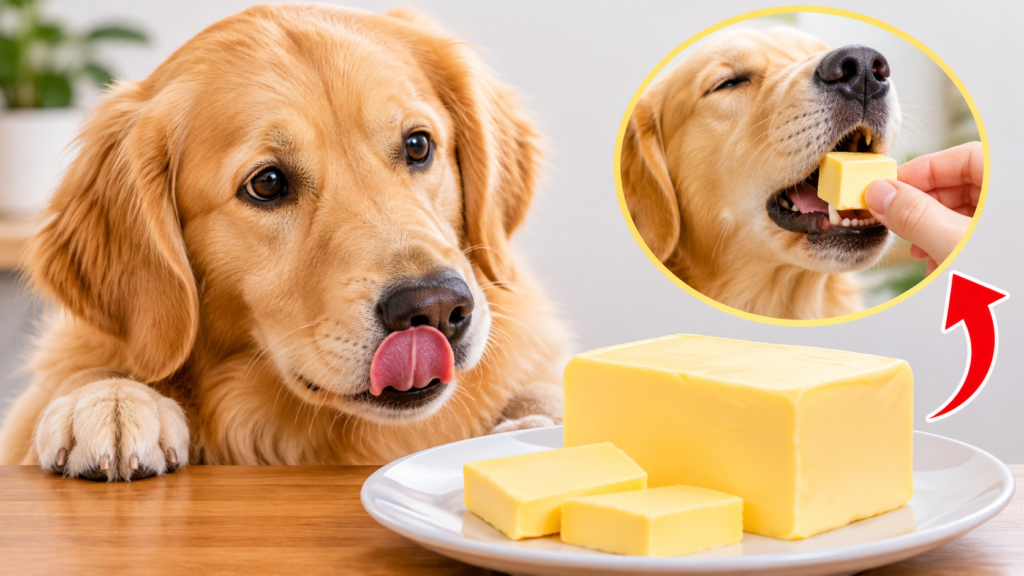
Butter is not considered toxic to dogs, but it is not a healthy food for them.
If your dog accidentally eats a small amount of butter, it may not cause a serious problem. However, butter is high in fat and can upset your dog’s stomach.
Regularly feeding butter to dogs is not recommended because it may contribute to weight gain, digestive problems, and other health concerns.
Certain fats, such as omega-3 and omega-6 fatty acids, are important for maintaining healthy skin and a shiny coat. However, butter is not an ideal source of these beneficial fats.
Butter contains a large amount of saturated fat and provides very little nutritional value for dogs. Eating too much fat can increase the risk of pancreatitis, a potentially serious condition involving inflammation of the pancreas.
Excessive calorie intake can also lead to obesity. Overweight dogs may develop additional problems, including joint discomfort, reduced mobility, and other health complications.
Dogs may also have difficulty digesting lactose found in dairy products. Depending on your dog’s sensitivity, eating butter may cause gas, diarrhea, vomiting, or an upset stomach.
For these reasons, avoid intentionally feeding butter to your dog, especially in large quantities or as part of baked goods and other fatty snacks.
Risks of Salted vs. Unsalted Butter
Although both salted and unsalted butter are unsuitable for dogs, salted butter can create additional concerns.
Salted butter contains sodium, and consuming excessive amounts of salt may cause increased thirst, dehydration, and other health problems.
Dogs that consume a large amount of salt may experience symptoms such as vomiting, diarrhea, weakness, or unusual behavior.
Unsalted butter does not contain the same added salt, but it is still high in fat and can cause digestive problems.
If your dog eats a large amount of salted butter or another high-salt food, contact your veterinarian for advice. The level of risk depends on your dog’s size, the amount consumed, and the ingredients involved.
Can Dogs Eat Buttered Popcorn?
Plain, air-popped popcorn without salt, butter, or unpopped kernels can be offered to dogs in small amounts as an occasional treat.
However, buttered popcorn is not recommended because the butter adds unnecessary fat and calories.
Salted popcorn may also contain excessive sodium, while flavored varieties can include other ingredients that are unsuitable for dogs.
Unpopped popcorn kernels can create additional risks. They may damage teeth, become a choking hazard, or potentially contribute to an intestinal blockage.
If you want to share popcorn with your dog, choose plain, air-popped popcorn and offer only a few pieces. Avoid butter, salt, seasoning, and unpopped kernels.
Can Dogs Eat Margarine?
Margarine is a butter substitute made primarily from vegetable oils and other ingredients. Unlike traditional butter, it is not usually made from cream, although some varieties may contain dairy ingredients.
Margarine is not a recommended treat for dogs.
Although it may not contain ingredients that are directly toxic to dogs, many products contain added salt, preservatives, flavorings, and other ingredients that are unnecessary for your pet’s diet.
Margarine is also high in fat and calories. Consuming too much can cause digestive upset and may increase the risk of pancreatitis.
Some margarine products may contain ingredients that are harmful to dogs, so always check the label.
If your dog accidentally eats a tiny amount, monitor them for any unusual symptoms. However, if your dog consumes a large amount of margarine, contact your veterinarian for advice.
The safest choice is to avoid giving margarine to your dog altogether.
Can Dogs Eat Buttered Bread?
Plain white bread or wheat bread may be safe for most healthy dogs in small amounts, provided it does not contain harmful ingredients.
However, bread does not offer much nutritional value when added to a dog’s regular diet. It is also high in carbohydrates and calories, which may contribute to weight gain if fed frequently.
Buttered bread is not recommended for dogs because the butter adds a significant amount of fat.
A small piece of buttered bread may cause mild stomach discomfort, especially in dogs that are sensitive to dairy or fatty foods.
Regularly feeding buttered bread can also contribute to obesity and other health concerns.
Avoid bread containing ingredients such as raisins, garlic, onion, chocolate, or xylitol, as these can be dangerous for dogs.
Instead of sharing buttered bread, offer a small portion of a dog-safe treat that fits your pet’s nutritional needs.
What To Do if Your Dog Ate Butter
If your dog accidentally eats a small amount of butter, try not to panic. A tiny quantity may only cause mild digestive discomfort, although the risk depends on your dog’s size and health.
However, eating a larger amount of butter can cause more serious problems, including pancreatitis.
The amount of butter that may cause illness varies from dog to dog. Small dogs can be affected by amounts that may be less concerning for larger dogs.
After your dog eats butter, consider the following steps:
1. Check how much butter your dog ate
Try to estimate the amount of butter consumed. A small lick is different from eating a large portion or an entire container.
2. Check the ingredients
If the butter or food contained additional ingredients such as garlic, onion, or excessive salt, contact your veterinarian.
3. Monitor your dog
Watch for symptoms such as vomiting, diarrhea, abdominal discomfort, reduced appetite, or unusual tiredness.
4. Contact your veterinarian
If your dog ate a large amount of butter, is small in size, has a history of pancreatitis, or develops symptoms, seek veterinary advice.
Do not try to make your dog vomit unless your veterinarian specifically instructs you to do so.
Symptoms to Watch for After Eating Butter
Digestive symptoms may appear after your dog consumes a fatty food. In some cases, signs of pancreatitis may develop later.
Watch for:
- Diarrhea, sometimes containing blood
- Vomiting
- Abdominal pain
- Loss of appetite
- Lethargy or unusual tiredness
- A hunched posture or discomfort
- Repeated vomiting or inability to keep food down
If your dog develops severe symptoms, seek veterinary care promptly.
A tablespoon of butter contains approximately 12 grams of fat. This is a substantial amount of fat for many dogs, particularly smaller dogs.
The risk of illness depends on the amount eaten, the dog’s weight, and their overall health. Even a small amount may be unsuitable for a dog with a history of pancreatitis or other health problems.
If you are concerned about your dog eating butter, contact your veterinarian rather than waiting for symptoms to become severe.
Frequently Asked Questions
Can dogs eat yogurt every day?
Some dogs may tolerate a small amount of plain yogurt, but it is not necessary to feed it every day. Yogurt should be an occasional treat and should not replace a balanced dog food diet.
Is plain yogurt safe for puppies?
Puppies may have difficulty digesting lactose. Before introducing yogurt to a puppy’s diet, consult your veterinarian and choose a plain product without harmful sweeteners.
Can dogs eat vanilla yogurt?
Vanilla yogurt is generally not the best choice because it may contain added sugar, flavorings, or other ingredients. Plain, unsweetened yogurt is a safer option.
Can dogs eat butter in small amounts?
Butter is not toxic to dogs, but it is high in fat. A tiny accidental amount may not cause serious problems, but intentionally feeding butter is not recommended.
What is better for dogs, yogurt or butter?
Plain, unsweetened yogurt is generally a better occasional treat than butter. However, yogurt should only be offered if your dog tolerates dairy and the product contains no harmful ingredients.
Final Thoughts
Dogs can enjoy certain dairy products in moderation, but not all dairy foods are suitable for them.
Plain, unsweetened yogurt may be an occasional treat for dogs that can tolerate lactose. Greek yogurt can also be suitable when it is free from xylitol and other harmful ingredients.
Butter, on the other hand, is high in saturated fat and provides little nutritional benefit. Feeding it regularly may contribute to digestive problems, obesity, and pancreatitis.
The safest approach is to choose dog-friendly treats, avoid unnecessary fatty foods, and introduce new foods carefully.
Always consult your veterinarian before making changes to your dog’s diet, especially if your pet has a medical condition or follows a prescription food plan.
Disclaimer: This article is for informational purposes only and is not a substitute for professional veterinary advice. Always consult your veterinarian about your dog’s individual nutritional needs.