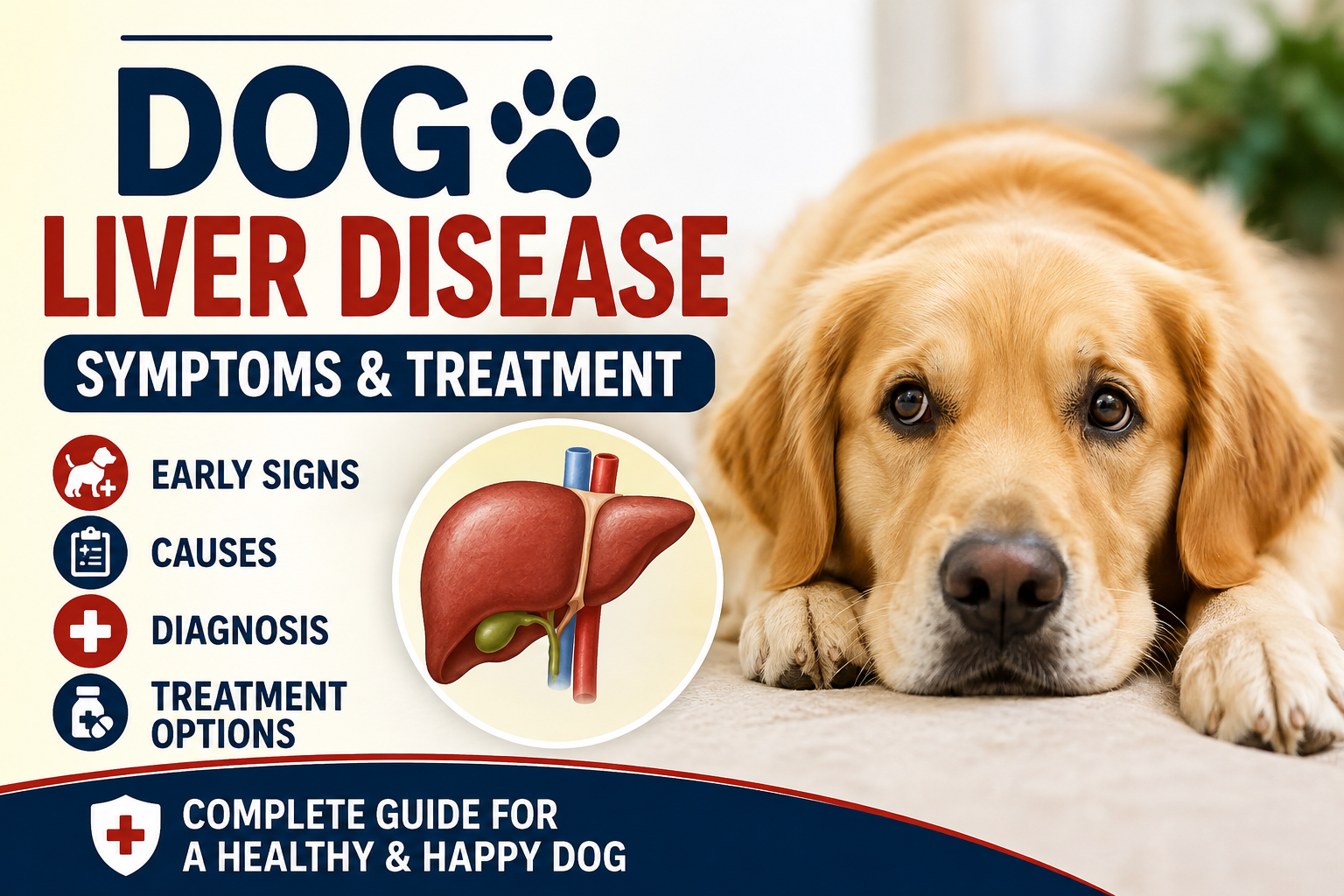
Liver disease in dogs can be difficult to recognize because the early symptoms are often mild or easy to mistake for other health problems. The liver plays a vital role in digestion, metabolism, detoxification, blood clotting, and nutrient storage. When the liver becomes damaged or stops functioning properly, a dog can develop a wide range of symptoms.
Understanding the symptoms of liver disease in dogs, possible causes, treatment options, and supportive care can help pet owners recognize problems early and seek veterinary attention.
Important: Liver disease can become serious or life-threatening. If your dog has severe vomiting, collapse, seizures, extreme weakness, yellow gums or eyes, or sudden behavioral changes, contact a veterinarian promptly.
What Is Liver Disease in Dogs?
The liver is one of the most important organs in a dog’s body. It processes nutrients, removes or modifies toxins, produces bile, stores energy, and helps regulate blood chemistry.
Dog liver disease refers to conditions that interfere with normal liver function. Liver problems may develop gradually over months or occur suddenly because of poisoning, infection, medication reactions, trauma, or another underlying illness.
Some dogs can live comfortably for years with chronic liver disease when it is diagnosed early and properly managed. However, severe liver damage can progress to liver failure.
Common Causes of Liver Disease in Dogs
There are many possible causes of liver disease. Some are more common in certain breeds or age groups.
1. Age-Related Liver Changes
Older dogs have a greater risk of developing chronic liver problems. Age-related changes can reduce the liver’s ability to recover from injury.
2. Liver Shunts
A portosystemic shunt, commonly called a liver shunt, occurs when blood bypasses part of the liver instead of being properly processed. Congenital liver shunts are more commonly diagnosed in young dogs, while acquired shunts can develop later.
3. Toxins and Poisoning
Certain toxins can severely damage a dog’s liver. Examples include some poisonous plants, chemicals, contaminated foods, and inappropriate medications.
Never give your dog human medication unless a veterinarian specifically recommends it.
4. Infections
Some bacterial and viral infections can affect the liver. Certain infectious diseases can cause inflammation and significant liver damage.
5. Medications
Some medications can affect liver function, particularly when used incorrectly or in dogs with pre-existing liver problems. Veterinary monitoring may be recommended when dogs require medications that can influence liver enzymes.
6. Cancer
Liver tumors or cancers that spread from another part of the body can interfere with liver function.
7. Chronic Inflammation
Long-term inflammation of the liver can gradually cause scarring and reduced liver function.
8. Metabolic and Hormonal Disorders
Certain diseases, including diabetes and endocrine disorders, may be associated with abnormal liver enzymes or secondary liver changes.
Dog Liver Disease Symptoms
The symptoms of liver disease can vary depending on the cause and severity. Early liver disease may produce few obvious signs.
Here are some of the most common dog liver disease symptoms to watch for:
Loss of Appetite
A dog with liver problems may suddenly lose interest in food or eat significantly less than usual. Appetite loss can also occur with many other illnesses, so it should not be used alone to diagnose liver disease.
Vomiting and Diarrhea
Digestive problems such as vomiting, diarrhea, or changes in stool can occur when the liver is not functioning properly.
Repeated vomiting can lead to dehydration and weakness, making veterinary evaluation particularly important.
Increased Thirst and Urination
Some dogs with liver disease may drink more water and urinate more frequently. These symptoms can also occur with kidney disease, diabetes, and other conditions.
Weight Loss
Unexplained weight loss may develop when a dog has reduced appetite, poor nutrient processing, chronic inflammation, or another underlying disease.
Lethargy and Weakness
A dog that previously enjoyed walks and playtime may become unusually tired or reluctant to exercise.
Persistent lethargy should be taken seriously, especially when it occurs with other symptoms.
Yellow Skin, Eyes, or Gums
One of the most recognizable signs of liver or bile-related disease is jaundice.
A yellow color may be visible in the whites of the eyes, gums, or skin. Jaundice can have several causes and requires veterinary assessment.
Abdominal Swelling
Some dogs with advanced liver problems can develop fluid accumulation in the abdomen, causing the belly to appear enlarged.
Changes in Behavior
Advanced liver dysfunction can affect the brain. This condition is called hepatic encephalopathy.
Affected dogs may show confusion, unusual behavior, staring, pacing, poor coordination, excessive drooling, or other neurological changes.
Seizures
Seizures can occur in severe cases, particularly when toxins that are normally processed by the liver affect the nervous system.
A first-time seizure should always be treated as a veterinary emergency.
Early Signs of Liver Disease in Dogs
Early signs may be subtle. Watch for changes such as:
- Reduced appetite
- Mild lethargy
- Occasional vomiting
- Weight loss
- Increased drinking
- Increased urination
- Changes in stool
- Reduced interest in normal activities
Because these signs overlap with many other diseases, laboratory testing is often needed to determine whether the liver is involved.
How Is Liver Disease Diagnosed in Dogs?
A veterinarian may use several diagnostic methods to determine the cause and severity of liver disease.
Physical Examination
The veterinarian will assess your dog’s weight, hydration, gums, abdomen, behavior, and overall condition.
Blood Tests
Blood work is commonly used to evaluate liver-related enzymes and other markers of organ function.
Commonly measured enzymes include ALT and ALP, although abnormal liver enzymes do not automatically mean that a dog has liver failure.
Other blood values may help evaluate the liver’s ability to perform important functions.
Urinalysis
A urine test can provide additional information about hydration, kidney function, metabolism, and certain liver-related abnormalities.
Ultrasound
An abdominal ultrasound may allow the veterinarian to examine the liver’s size, shape, structure, gallbladder, and surrounding organs.
X-Rays
Radiographs may help identify changes in liver size or other abdominal abnormalities.
Liver Biopsy
In selected cases, a liver biopsy may be recommended to identify inflammation, fibrosis, cancer, or other specific conditions. The veterinarian will determine whether the benefits outweigh the risks for the individual dog.
Dog Liver Disease Treatment
There is no single treatment for every type of liver disease. Treatment depends on the underlying cause, the dog’s symptoms, and how much liver function remains.
Veterinary-Prescribed Medications
Depending on the diagnosis, veterinarians may prescribe medications to control nausea, manage infections, reduce complications, or support liver function.
Never start supplements or medications without discussing them with your veterinarian.
Therapeutic Diet
Nutrition can be an important part of managing liver disease.
A veterinarian may recommend a specially formulated diet depending on the specific liver condition. Some dogs may benefit from carefully controlled protein, highly digestible ingredients, adequate calories, and appropriate levels of vitamins and minerals.
Do not make major dietary changes without veterinary guidance because nutritional needs vary significantly between liver conditions.
Managing Underlying Diseases
If liver problems are associated with another condition, treating the underlying disease can be an important part of management.
For example, controlling certain metabolic or endocrine disorders may help reduce secondary stress on the liver.
Surgery
Surgery may be recommended for some conditions, including certain congenital liver shunts or tumors.
Whether surgery is appropriate depends on the dog’s overall health, the location of the problem, and the specific diagnosis.
Hospitalization and Supportive Care
Dogs with severe liver disease may require hospitalization for intravenous fluids, nutritional support, medications, monitoring, and treatment of complications.
Can Dogs Recover From Liver Disease?
Recovery depends heavily on the cause and severity of the condition.
The liver has a remarkable ability to regenerate, and some dogs with mild or reversible liver injury can improve significantly when the underlying problem is treated.
However, advanced chronic liver disease, extensive scarring, or certain cancers can have a more guarded prognosis.
Early diagnosis generally provides the best opportunity for effective management.
What Can You Do at Home?
Home care should complement—not replace—veterinary treatment.
Pet owners can help by:
- Giving prescribed medications exactly as directed
- Following the recommended diet
- Providing fresh drinking water
- Monitoring appetite and weight
- Keeping track of vomiting or diarrhea
- Watching for changes in behavior
- Avoiding unapproved supplements
- Keeping potentially toxic substances away from pets
- Attending recommended follow-up appointments
Keeping a simple symptom diary can help your veterinarian understand whether your dog’s condition is improving or worsening.
Foods to Avoid for Dogs With Liver Disease
Dogs with liver problems may have specific nutritional requirements, so there is no universal list of foods that every liver-disease dog must avoid.
However, pet owners should avoid giving dogs:
- Chocolate
- Alcohol
- Xylitol-containing products
- Onions and garlic
- Unapproved human medications
- Spoiled or moldy food
- Unsupervised supplements
Some foods that are safe for healthy dogs may not be appropriate for a dog with a particular liver condition. Ask your veterinarian before adding treats, table food, or supplements.
When to See a Veterinarian
Contact your veterinarian if your dog develops persistent appetite loss, vomiting, diarrhea, weight loss, unusual tiredness, increased thirst, or other unexplained changes.
Seek urgent veterinary care if your dog has:
- Yellow eyes or gums
- Severe weakness
- Collapse
- Seizures
- Severe confusion
- Repeated vomiting
- Difficulty walking
- A swollen abdomen
- Suspected poisoning
- Sudden severe illness
These symptoms can indicate serious disease requiring immediate treatment.
Frequently Asked Questions
What are the first signs of liver disease in dogs?
Early signs can include reduced appetite, mild lethargy, weight loss, vomiting, increased thirst, increased urination, or changes in stool. Some dogs show very few symptoms initially.
Can a dog live with liver disease?
Yes. Some dogs can live for years with liver disease when the condition is diagnosed early and appropriately managed. Prognosis depends on the underlying cause and severity.
What does a dog with liver disease eat?
The ideal diet depends on the specific liver condition. A veterinarian may recommend a therapeutic diet designed to provide appropriate calories and nutrients while addressing the dog’s individual needs.
Is liver disease painful for dogs?
Liver disease does not always cause obvious pain, but some liver and gallbladder conditions can be uncomfortable or painful. Signs such as restlessness, reluctance to move, abdominal sensitivity, or unusual vocalization should be evaluated by a veterinarian.
Can liver disease in dogs be prevented?
Not every type of liver disease can be prevented. However, keeping toxic substances away from dogs, avoiding inappropriate medications, maintaining healthy body weight, preventing infections where possible, and scheduling regular veterinary examinations can reduce certain risks.
Final Thoughts
Dog liver disease symptoms can range from mild appetite changes and lethargy to jaundice, abdominal swelling, neurological problems, and seizures. Because early symptoms can be subtle, regular veterinary checkups are important, particularly for senior dogs or dogs with known health problems.
Treatment depends on the underlying cause and may include a therapeutic diet, medications, supportive care, surgery, or management of another underlying disease. The sooner liver disease is identified, the better the chances of managing it effectively.
If you notice unexplained changes in your dog’s appetite, weight, energy level, drinking habits, digestion, behavior, or appearance, speak with your veterinarian. Proper diagnosis and individualized treatment are essential for protecting your dog’s liver health and overall quality of life.