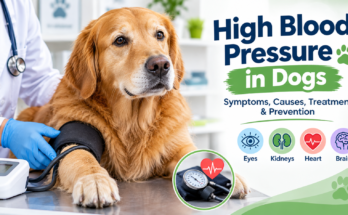
Dogs can develop many different health conditions throughout their lives. Some diseases are mild and temporary, while others can become serious without early diagnosis and treatment. Understanding the most common diseases in dogs can help pet owners recognize warning signs and seek veterinary care at the right time.
Common dog diseases can affect the skin, digestive system, respiratory system, ears, eyes, joints, heart, kidneys, liver, and other organs. Puppies, senior dogs, and dogs with weakened immune systems may be more vulnerable to certain illnesses.
This guide explains the common diseases in dogs, their symptoms, possible causes, treatment options, and ways to help protect your dog’s health.
1. Ear Infections
Ear infections are among the most common health problems in dogs. They are especially frequent in dogs with floppy ears or allergies.
Common Symptoms
- Frequent head shaking
- Scratching the ears
- Redness or swelling
- Bad odor from the ear
- Dark or yellow discharge
- Pain when the ear is touched
- Excessive rubbing of the head
Ear infections may be caused by bacteria, yeast, allergies, parasites, or moisture trapped inside the ear canal.
Treatment depends on the underlying cause and may include veterinary-prescribed ear medication and treatment for allergies or parasites.
2. Skin Allergies and Dermatitis
Skin allergies are another common problem in dogs. Allergic reactions can be triggered by fleas, environmental allergens, food ingredients, or contact with irritating substances.
Symptoms of Dog Skin Allergies
- Constant scratching
- Excessive licking
- Red skin
- Hair loss
- Hot spots
- Dry or flaky skin
- Recurrent ear infections
- Chewing the paws
Treatment may involve flea prevention, allergy management, medicated shampoos, dietary changes, or prescription medications recommended by a veterinarian.
3. Flea Infestation
Fleas are tiny parasites that feed on blood and can cause intense itching. A heavy flea infestation can also contribute to anemia, especially in puppies.
Signs of Fleas
Look for:
- Scratching
- Biting or chewing the skin
- Small black specks in the coat
- Hair loss
- Red bumps
- Restlessness
Regular veterinarian-recommended flea prevention can help reduce the risk of infestation.
4. Dental Disease
Dental disease is extremely common in adult and senior dogs. Plaque and tartar can accumulate on the teeth, leading to gum inflammation and infection.
Symptoms
- Bad breath
- Yellow or brown tartar
- Red or swollen gums
- Difficulty chewing
- Dropping food
- Excessive drooling
- Loose or damaged teeth
Regular brushing, dental care products, professional dental cleaning when recommended, and routine veterinary examinations can help protect your dog’s oral health.
5. Obesity
Obesity is a common health concern in dogs and can increase the risk of several other conditions.
Dogs may become overweight because of excessive calorie intake, too many treats, lack of exercise, certain diseases, or other factors.
Signs of an Overweight Dog
A healthy body condition varies between breeds, but excessive body fat may make it difficult to feel the ribs and may reduce the dog’s waistline.
Obesity can increase stress on the joints and may contribute to metabolic and cardiovascular problems.
A veterinarian can help determine an appropriate calorie intake, diet, exercise routine, and weight-loss goal.
6. Arthritis
Arthritis, particularly osteoarthritis, becomes more common as dogs age. It can also occur after joint injuries or in dogs with certain orthopedic conditions.
Symptoms of Arthritis in Dogs
- Stiffness after resting
- Difficulty climbing stairs
- Reluctance to jump
- Limping
- Reduced activity
- Difficulty getting up
- Irritability when touched around painful areas
Treatment may include weight management, controlled exercise, physical rehabilitation, environmental modifications, and veterinarian-prescribed medications.
7. Gastrointestinal Problems
Dogs frequently experience digestive problems such as vomiting and diarrhea. These symptoms can result from dietary changes, eating inappropriate foods, infections, parasites, toxins, or underlying medical conditions.
Mild digestive upset may resolve, but persistent or severe symptoms require veterinary attention.
Warning Signs
Contact a veterinarian if your dog experiences:
- Repeated vomiting
- Bloody diarrhea
- Severe abdominal pain
- Dehydration
- Extreme weakness
- Loss of appetite
- Persistent diarrhea
- Collapse
Puppies and senior dogs can become dehydrated more quickly, so digestive symptoms should be monitored carefully.
8. Kennel Cough
Kennel cough is a contagious respiratory condition that can spread between dogs, particularly in environments where many dogs are together.
Common Symptoms
- Persistent coughing
- Gagging
- Sneezing
- Runny nose
- Mild lethargy
- Reduced appetite in some dogs
Many cases are mild, but puppies, elderly dogs, and dogs with other health conditions can develop more serious respiratory illness.
Veterinary evaluation can help determine the cause and appropriate treatment.
9. Heart Disease
Heart disease can affect dogs of different ages and breeds. Some forms are congenital, while others develop later in life.
Possible Symptoms
- Coughing
- Reduced exercise tolerance
- Difficulty breathing
- Weakness
- Fainting
- Abdominal enlargement
- Unusual tiredness
Some dogs may not show obvious symptoms during the early stages. Routine veterinary examinations can help identify heart murmurs or other abnormalities before severe symptoms develop.
10. Kidney Disease
Kidney disease is particularly important in older dogs but can occur at any age.
The kidneys help regulate fluids, electrolytes, and waste products. When kidney function decreases, waste can accumulate in the body.
Symptoms of Kidney Disease
- Increased thirst
- Increased urination
- Reduced appetite
- Weight loss
- Vomiting
- Bad breath
- Weakness
- Dehydration
Veterinarians may use blood tests, urine testing, blood pressure measurements, and imaging to evaluate kidney health.
Treatment depends on the underlying cause and severity and may include dietary management, medications, fluid therapy, and regular monitoring.
11. Liver Disease
The liver performs many essential functions, including processing nutrients and helping the body handle certain toxins.
Dogs can develop liver disease because of congenital conditions, infections, toxins, medications, inflammation, tumors, or other illnesses.
Common Symptoms
- Loss of appetite
- Vomiting
- Weight loss
- Lethargy
- Increased thirst
- Jaundice
- Abdominal swelling
- Behavioral or neurological changes
Treatment depends on the specific liver condition. Some dogs may need medication, specialized nutrition, surgery, or treatment for an underlying disease.
12. Diabetes
Diabetes mellitus occurs when a dog’s body cannot properly regulate blood glucose.
Common Symptoms
- Increased thirst
- Frequent urination
- Increased hunger
- Weight loss
- Weakness
- Cloudy eyes in some dogs
Diabetes requires veterinary management. Treatment commonly involves insulin therapy, dietary management, monitoring, and regular veterinary follow-up.
13. Urinary Tract Infections
Urinary tract infections, or UTIs, can occur when bacteria infect the urinary system.
Symptoms
- Frequent urination
- Straining to urinate
- Urinating indoors
- Blood in the urine
- Strong-smelling urine
- Licking the genital area
- Signs of discomfort while urinating
Veterinarians may recommend a urine test and, when appropriate, a urine culture to identify infection and guide treatment.
14. Parasites
Dogs can be affected by internal and external parasites, including intestinal worms, fleas, ticks, and heartworms.
Signs of Parasites
Depending on the parasite, symptoms may include:
- Weight loss
- Diarrhea
- Vomiting
- Itching
- Hair loss
- Coughing
- Weakness
- Pale gums
- Poor growth in puppies
Preventive medications recommended by a veterinarian can help protect dogs from several potentially dangerous parasites.
15. Heartworm Disease
Heartworm disease is caused by parasitic worms transmitted through mosquito bites. Adult heartworms can live in the heart and blood vessels and cause serious cardiovascular and respiratory damage.
Symptoms
Early infection may cause few noticeable signs. More advanced disease can cause:
- Persistent cough
- Exercise intolerance
- Difficulty breathing
- Weight loss
- Fatigue
- Enlarged abdomen
- Collapse in severe cases
Heartworm prevention is generally much safer and easier than treating established heartworm disease. Ask your veterinarian which preventive program is appropriate for your dog.
16. Canine Parvovirus
Canine parvovirus is a highly contagious viral disease that can be particularly dangerous for puppies and unvaccinated dogs.
Symptoms
- Severe vomiting
- Profuse diarrhea
- Blood in stool
- Loss of appetite
- Extreme weakness
- Dehydration
- Fever or abnormal body temperature
Parvovirus can become life-threatening quickly. Vaccination is one of the most important ways to reduce the risk.
Dogs suspected of having parvovirus should be evaluated by a veterinarian promptly.
17. Canine Distemper
Canine distemper is a contagious viral disease that can affect the respiratory, gastrointestinal, and nervous systems.
Possible symptoms include:
- Fever
- Eye and nose discharge
- Coughing
- Vomiting
- Diarrhea
- Loss of appetite
- Muscle twitching
- Seizures
- Neurological problems
Vaccination is the best way to help protect dogs from canine distemper.
18. Cancer
Cancer can occur in dogs, particularly as they age. There are many different types of canine cancer, and symptoms vary depending on the affected body part.
Possible warning signs include:
- Unexplained weight loss
- New lumps or growths
- Persistent swelling
- Difficulty eating
- Abnormal bleeding
- Chronic coughing
- Reduced appetite
- Persistent lethargy
Not every lump is cancerous, but new or changing growths should be examined by a veterinarian.
How to Prevent Common Dog Diseases
While not every disease can be prevented, several basic habits can significantly support your dog’s health.
Schedule Regular Veterinary Checkups
Routine examinations allow veterinarians to detect health problems earlier. Senior dogs and dogs with chronic conditions may require more frequent monitoring.
Keep Vaccinations Up to Date
Vaccination helps protect dogs against several serious contagious diseases.
Use Parasite Prevention
Follow your veterinarian’s recommendations for flea, tick, intestinal parasite, and heartworm prevention.
Provide a Balanced Diet
Feed an appropriate, nutritionally complete diet based on your dog’s age, size, activity level, and health requirements.
Maintain a Healthy Weight
Avoid excessive treats and provide regular age-appropriate physical activity.
Practice Dental Care
Regular tooth brushing with dog-safe products and professional dental care when recommended can help reduce dental disease.
Monitor Changes in Behavior
Pet owners often notice subtle changes before anyone else. Changes in appetite, drinking, urination, energy, sleep, behavior, or movement should not be ignored.
When Should You Take Your Dog to the Vet?
Some symptoms require prompt veterinary attention. Contact a veterinarian if your dog develops persistent vomiting, diarrhea, coughing, appetite loss, unexplained weight loss, severe itching, difficulty urinating, or unusual lethargy.
Seek emergency veterinary care for signs such as:
- Difficulty breathing
- Collapse
- Severe bleeding
- Repeated seizures
- Severe poisoning
- Inability to urinate
- Severe abdominal swelling
- Unresponsiveness
- Sudden extreme weakness
Early veterinary care can make a significant difference, particularly for conditions that can progress quickly.
Final Thoughts
The most common diseases in dogs include ear infections, skin allergies, dental disease, obesity, arthritis, digestive problems, parasites, heart disease, kidney disease, liver disease, diabetes, urinary infections, and several contagious illnesses.
Recognizing the signs of common dog diseases is an important part of responsible pet ownership. However, many symptoms overlap between different conditions, so it is not possible to determine the exact cause based on symptoms alone.
Regular veterinary checkups, vaccinations, parasite prevention, dental care, a balanced diet, healthy weight management, and attention to behavioral changes can help protect your dog’s long-term health.
If your dog develops a new, persistent, or severe symptom, consult a veterinarian rather than relying on home treatment alone. Early diagnosis and appropriate treatment can improve the chances of recovery and help your dog enjoy a healthier, happier life.