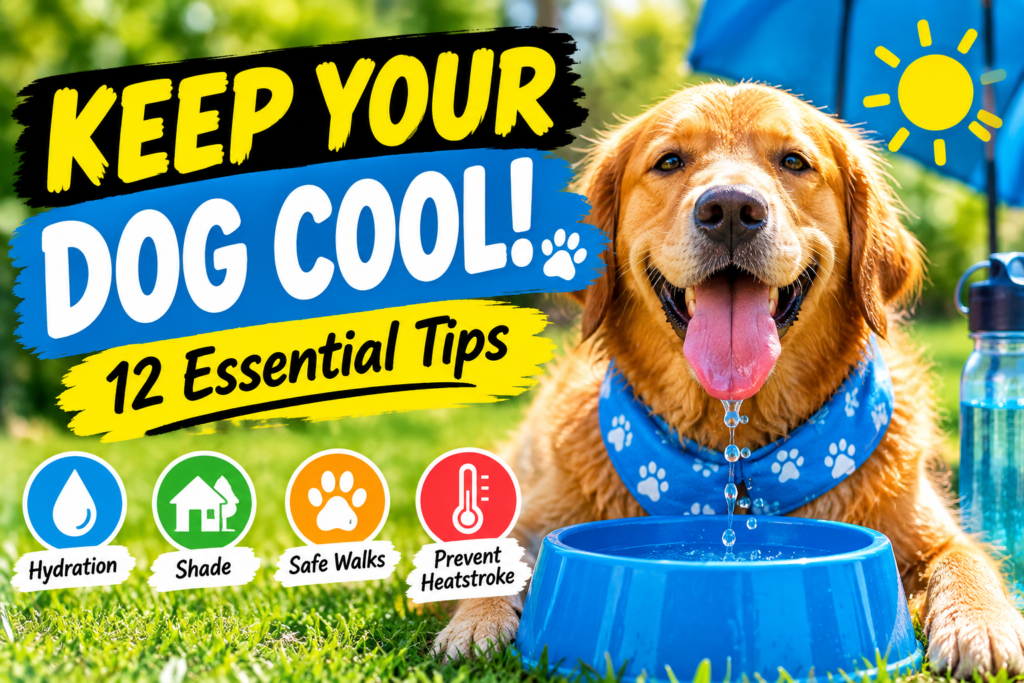

How to Keep Dogs Cool in Hot Weather: 12 Essential Tips for Pet Owners
Hot weather can be challenging for dogs, especially during the summer months when temperatures rise and the risk of overheating increases. Unlike humans, dogs cannot cool themselves by sweating across their entire bodies. Instead, they mainly regulate their temperature through panting, which may become less effective in extremely hot or humid conditions.
Knowing how to keep dogs cool in hot weather is essential for protecting your pet from dehydration, heat exhaustion, and potentially life-threatening heatstroke. Simple steps, such as providing fresh water, offering shade, adjusting walking schedules, and avoiding hot cars, can make a significant difference in your dog’s comfort and safety.
In this guide, you’ll discover practical summer dog care tips, warning signs of overheating, safe grooming practices, and ways to help your furry friend stay comfortable throughout the hottest days of the year.
Why Is Hot Weather Dangerous for Dogs?
Dogs are vulnerable to high temperatures because their bodies cannot release heat as efficiently as humans. Panting helps evaporate moisture from their respiratory passages, allowing them to cool down. However, when temperatures and humidity become excessive, this natural cooling mechanism may not work well enough.
Heat can build up quickly during exercise, outdoor play, or time spent in a poorly ventilated environment. If a dog’s body temperature rises too high, the animal may develop heatstroke, which can damage vital organs and become fatal without prompt treatment.
Certain dogs face a greater risk of overheating, including:
- Flat-faced breeds: Pugs, bulldogs, and Boston terriers may struggle to breathe efficiently in hot weather.
- Thick-coated dogs: Breeds with dense or double coats may need additional care during summer.
- Senior dogs and puppies: They may have more difficulty regulating body temperature.
- Overweight dogs: Excess body weight can increase the strain caused by heat and exercise.
- Dogs with health conditions: Animals with heart, respiratory, or other medical problems may be more vulnerable.
Understanding these risks helps you make safer decisions about your dog’s daily routine during summer.
Youtube Video
1. Always Provide Fresh, Cool Drinking Water
Keeping your dog hydrated is one of the most important summer pet care practices. Dogs can lose fluids through panting, and insufficient water intake may contribute to dehydration.
Place several clean water bowls around your home so your dog can drink whenever needed. Refill them regularly with fresh, cool water, and keep them away from direct sunlight. If your dog spends time outdoors, make sure the water bowl remains accessible and cannot easily be tipped over.
A heavy ceramic bowl or a tip-resistant pet water bowl can help prevent accidental spills. For walks, road trips, and outdoor activities, carry a portable water bottle or collapsible bowl.
Watch for possible signs of dehydration, including unusual tiredness, dry or sticky gums, and reduced energy. If you suspect dehydration or your dog refuses water while appearing unwell, contact your veterinarian.
2. Create a Cool, Shaded Resting Area
Dogs that spend time outside need reliable protection from direct sunlight. A shaded area beneath a tree, a covered patio, or a well-ventilated shelter can help reduce exposure to the sun.
However, shade alone may not be enough during extreme heat. Outdoor temperatures can remain dangerous even when a dog is not standing in direct sunlight.
Whenever possible, bring your dog indoors during the hottest part of the day. Use fans or air conditioning to maintain a comfortable environment, and provide a cool floor or resting mat where your pet can relax.
Never leave a dog outside for extended periods in extreme heat without appropriate supervision, water, and access to a cooler environment.
3. Walk Your Dog During Cooler Hours
Daily walks are important for a dog’s physical and mental health, but the timing of exercise should change when temperatures rise.
Schedule walks early in the morning or later in the evening, when the air and pavement are generally cooler. Avoid strenuous exercise during the hottest hours of the afternoon.
Pay attention to your dog’s behavior during every walk. Heavy panting, slowing down, excessive drooling, or searching for shade may indicate that your pet needs to stop and cool down.
Remember that some dogs tolerate heat less effectively than others. Older pets, overweight dogs, thick-coated breeds, and flat-faced dogs may need shorter walks or indoor activities instead.
When the weather is extremely hot or humid, skip outdoor exercise and choose gentle indoor games instead.
4. Check Pavement Before Walking
Hot pavement can burn a dog’s paw pads, even when the air temperature feels manageable. Asphalt, concrete, and other hard surfaces may absorb and retain considerable heat during sunny weather.
Before walking your dog, place the back of your hand against the pavement for several seconds. If the surface feels too hot to hold your hand there comfortably, choose a cooler route or wait until later.
Whenever possible, walk on grass or shaded paths rather than sun-heated asphalt. Keep walks brief during hot weather and inspect your dog’s paws afterward for redness, tenderness, blistering, or limping.
If you suspect a paw pad burn, move your dog away from the hot surface and contact a veterinarian for advice.
5. Never Leave Your Dog in a Parked Car
One of the most dangerous mistakes pet owners can make is leaving a dog inside a parked vehicle during warm weather.
Even when the windows are partly open, temperatures inside a car can rise rapidly. A vehicle can become dangerously hot within minutes, putting a dog at risk of heatstroke, organ damage, and death.
Parking in the shade or leaving the windows open does not make the situation safe. The temperature inside a vehicle can become dangerous even when the weather outside seems relatively mild.
If you need to run errands, leave your dog at home in a comfortable environment whenever possible. If you’re traveling with your pet, arrange for someone to stay with the dog while you make necessary stops.
You should also avoid transporting dogs in open pickup truck beds, where hot surfaces, direct sunlight, and the risk of injury can create additional dangers.
6. Recognize the Warning Signs of Heatstroke
Knowing the symptoms of heatstroke in dogs can help you act quickly before the condition becomes more severe.
Common warning signs include:
- Heavy or persistent panting
- Excessive drooling
- Bright red, dark red, or purple-looking gums or tongue
- Rapid or labored breathing
- Restlessness or unusual distress
- Weakness or difficulty standing
- Vomiting or diarrhea
- Confusion, collapse, or seizures
Not every dog will display every symptom. Heatstroke can progress rapidly, so do not wait for all the warning signs to appear.
What should you do if your dog overheats?
Move your dog to a cooler, shaded or air-conditioned area immediately. Begin cooling the body with cool or room-temperature water, particularly over the abdomen and other areas where cooling is practical. Use a fan if available.
Avoid ice baths, ice-cold water, and wrapping your dog in a cold, wet blanket, which may interfere with effective cooling. Do not force your dog to drink if it is weak, confused, vomiting, or having difficulty swallowing.
Seek emergency veterinary care immediately if heatstroke is suspected. Contact the veterinary clinic while arranging transport, and follow its instructions. Even if your dog appears to recover, internal complications may still develop.
7. Use Dog-Friendly Cooling Products
Cooling products can provide extra comfort during hot weather, particularly for dogs that spend time indoors.
Consider these options:
- Cooling mats: These provide a cooler surface for resting and relaxing.
- Elevated dog beds: Raised beds allow air to circulate beneath your pet.
- Portable water bottles: These make hydration easier during outings.
- Cooling vests: Some products help dissipate heat when used according to the manufacturer’s instructions.
- Shallow paddling pools: These can provide supervised water play for dogs that enjoy swimming or splashing.
Choose products designed specifically for pets, and supervise your dog when introducing anything new. Make sure cooling mats and toys remain intact and cannot be chewed apart or swallowed.
Cooling accessories should never replace shade, drinking water, appropriate exercise limits, or access to a cool indoor environment.
8. Groom Your Dog Without Removing Natural Coat Protection
Regular grooming can help your dog remain comfortable during the summer. Brushing removes loose hair, reduces tangles, and helps maintain a healthy coat.
However, shaving a dog’s coat very short is not always a good way to keep it cool. A dog’s natural coat can provide protection from sunlight and help regulate temperature. This is particularly important for double-coated breeds, whose undercoat and outer coat serve different protective functions.
Shaving these dogs may expose their skin to sunburn and disrupt the coat’s normal protective properties. Hair may also grow back unevenly in some dogs.
Instead, brush your pet regularly and consult a professional groomer or veterinarian if the coat becomes severely matted or difficult to manage.
Hairless dogs and dogs with exposed skin may require pet-safe sunscreen. Ask your veterinarian which product is appropriate, and prevent your dog from licking the application area.
9. Give Your Dog Safe Opportunities to Cool Down
Some dogs enjoy playing with water, and supervised water activities can help them feel more comfortable on hot days.
A shallow paddling pool placed in a shaded area may be suitable for dogs that enjoy splashing. Always supervise your pet around water, and never force a dog to enter a pool if it appears frightened or uncomfortable.
You can also offer indoor enrichment activities, such as puzzle toys, scent games, or gentle training sessions. These activities provide mental stimulation without requiring vigorous outdoor exercise.
Avoid prolonged running, intense fetch sessions, or other strenuous activities when temperatures are high. Take frequent breaks and stop immediately if your dog shows signs of fatigue or overheating.
10. Keep Indoor Temperatures Comfortable
Your home should provide a safe retreat from extreme outdoor temperatures.
Close curtains or blinds in rooms that receive strong sunlight, and use air conditioning when available. Fans can improve air circulation, although they may not be sufficient in very hot conditions.
Make sure your dog can move freely between resting areas and always has access to water. Never confine your pet in a small, poorly ventilated room that becomes excessively warm.
If you must leave your dog alone, check that the indoor environment will remain safe throughout your absence. On particularly hot days, consider arranging for someone to check on your pet.
11. Adjust Your Dog’s Diet and Daily Routine
Hot weather may change a dog’s activity level and appetite. Some dogs eat less during warmer periods, but maintaining a balanced diet and regular access to water remains important.
Offer your dog’s usual complete and balanced food, and follow appropriate feeding and storage instructions. Avoid leaving wet food in the heat for extended periods, as it can spoil.
You may offer occasional dog-safe frozen treats or small pieces of suitable fruit, such as seedless watermelon, if your dog tolerates them. Treats should be given in moderation and should not replace a balanced diet.
Avoid foods that are toxic to dogs, including grapes, raisins, chocolate, and products containing xylitol. If your dog suddenly stops eating, becomes unusually lethargic, or develops vomiting or diarrhea, consult a veterinarian rather than assuming the weather is responsible.
12. Take Extra Care When Traveling With Your Dog
Summer travel requires additional planning to prevent overheating.
Before leaving home, check the weather and plan breaks in shaded or air-conditioned locations. Carry enough drinking water, a portable bowl, a leash, and any necessary medications.
Avoid scheduling long walks or strenuous activities during the hottest part of the day. Never leave your dog unattended in a parked vehicle, even if you expect to return quickly.
If you’re traveling to a hot destination, give your dog time to rest and adjust its activity level. Pets with existing medical conditions may require additional precautions, so speak with your veterinarian before traveling in extreme temperatures.
Frequently Asked Questions
How can I tell if my dog is too hot?
Heavy panting, excessive drooling, restlessness, weakness, and seeking shade can indicate that your dog is struggling with the heat. Labored breathing, vomiting, confusion, or collapse may indicate a medical emergency. Move your dog to a cooler area and seek veterinary help if you suspect heatstroke.
What temperature is too hot for dogs?
There is no single safe temperature for every dog. Humidity, direct sunlight, physical activity, coat type, breed, age, and health all affect heat tolerance. Some dogs can become overheated in moderately warm weather, especially during exercise or when confined in a poorly ventilated space.
Should I shave my dog during summer?
Not necessarily. Many dogs benefit from regular brushing rather than shaving. Their coats can protect the skin from sunlight and help with temperature regulation. Ask a veterinarian or qualified groomer about the best approach for your dog’s breed and coat type.
Can I give my dog ice water when it is hot?
Fresh, cool drinking water is generally appropriate for healthy dogs. Offer it freely, but do not force a dog to drink. If your pet shows signs of heatstroke, begin appropriate cooling and obtain emergency veterinary care rather than relying on drinking water alone.
Is it safe to walk my dog in hot weather?
Yes, when conditions are suitable and precautions are taken. Choose cooler hours, avoid hot pavement, bring water, and keep the walk short. Skip outdoor exercise if conditions are dangerously hot or your dog shows signs of overheating.
Final Thoughts
Keeping your dog safe during hot weather requires attention, preparation, and an understanding of how heat affects animals. Fresh drinking water, shaded resting areas, shorter walks, regular grooming, and a comfortable indoor environment can help your pet stay cool throughout summer.
Most importantly, never leave your dog in a parked car, and learn to recognize the early warning signs of heatstroke. If your pet develops heavy panting that does not improve, breathing difficulties, vomiting, weakness, or collapse, seek emergency veterinary care immediately.
By following these summer dog care tips and adapting your dog’s routine to the weather, you can reduce heat-related risks and help your furry companion enjoy a safer, healthier summer.
Your dog’s safety should always come first. When temperatures rise, a little extra care can make a life-saving difference.